1.3
pCi/L · US average
No meaningful exposure equivalent.
The level a typical U.S. home carries.
Find out what your Rochester home is actually breathing.
About half of the homes in Olmsted County test above the EPA action level for radon. That is one of the highest rates in the country. Your home's radon level is its own story, and we are here to help you find out what it is.
Find out your radon level. Talk to a person.
Most homeowners would rather ask their questions live than fill out a form. Call us. We pick up.
Call us (507) 419-3394 Or send us your addressRadon is a radioactive gas that rises out of the ground. In Rochester it has two things working in its favor. The rock is close to the surface. A layer of soft limestone runs under southeast Minnesota and is full of small cracks that carry the gas up out of the soil. And the Minnesota winter does the rest. When the furnace runs, warm air rises through the house and escapes out the top, which pulls air up through the basement floor.
Olmsted County Public Health tells residents that about half of local homes test above the EPA action level. The Minnesota state arithmetic mean is 3.9 pCi/L (MDH 2014–2023). The U.S. national estimate is 1.3. The only way to know your house is to test it, and that is the part we do for free.
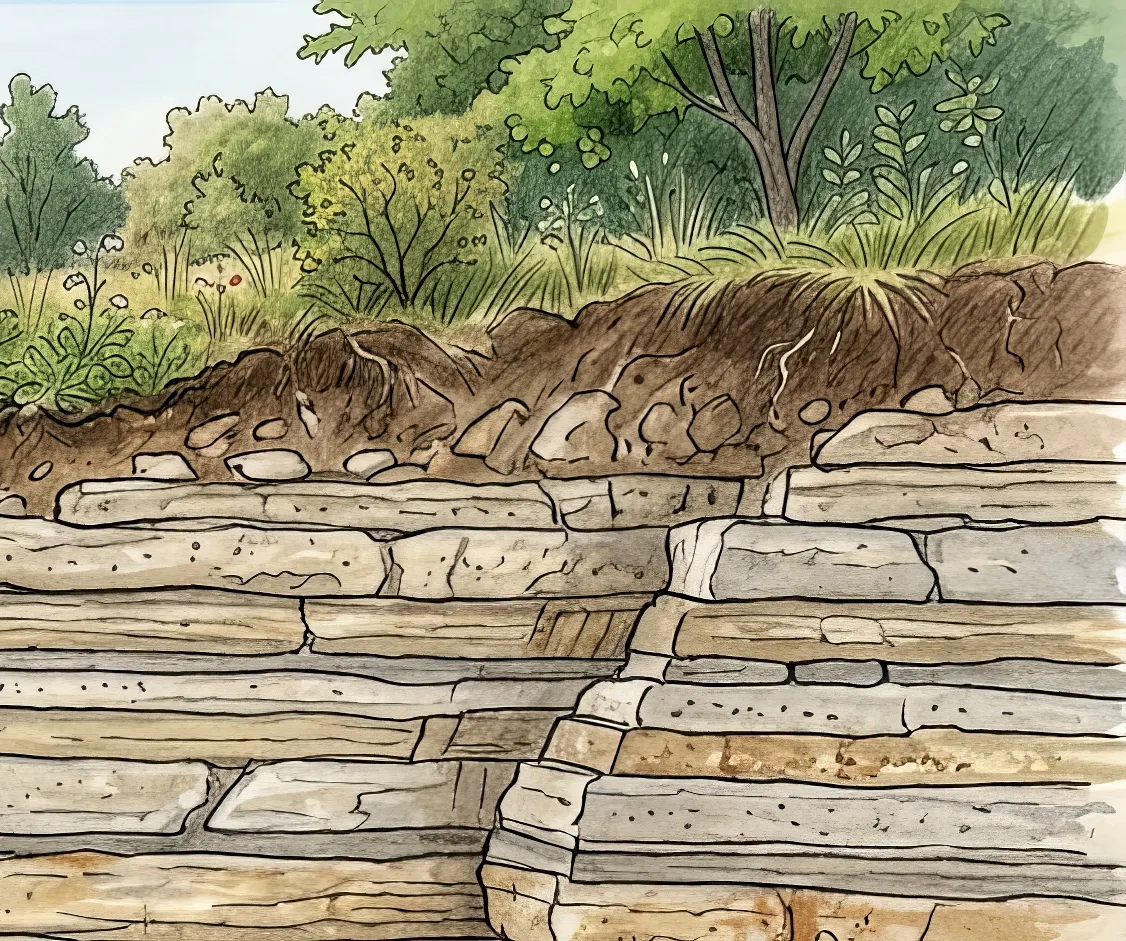
A small fan creates a gentle vacuum under your basement floor. A pipe carries the gas up and out above the roof. The fan runs in the background and the only thing you do is glance at the gauge on the wall now and then.
Minnesota has required a basic radon prep in every new home since 2009. The pipe runs from the basement to the roof. Most builders leave the rest for later. If you bought new in Byron, Bamber Valley, Pine Island, or the newer parts of Rochester, you are already most of the way there. The next step is a conversation about your specific home.
Once a radon system is in, there are no filters to change, no buttons to press, and no scheduled service. The fan uses about as much power as a light bulb and runs quietly in the background. You glance at the gauge once in a while to be sure the fan is doing its job. That is the maintenance.
Radon is measured in picocuries per liter of air. The comparisons below come from EPA estimates of long-term lung exposure.
The level a typical U.S. home carries.
A typical Minnesota home sits in this range.
Long-term exposure adds up.
A level worth treating with priority.
The cigarette comparison comes from the EPA. A useful way to picture the risk, not a perfect medical match.
What works in Manor Woods is not always the right starting point for Pill Hill. Foundations change from one part of the city to the next, and so does the rock underneath. A good first conversation reads both before anything else.
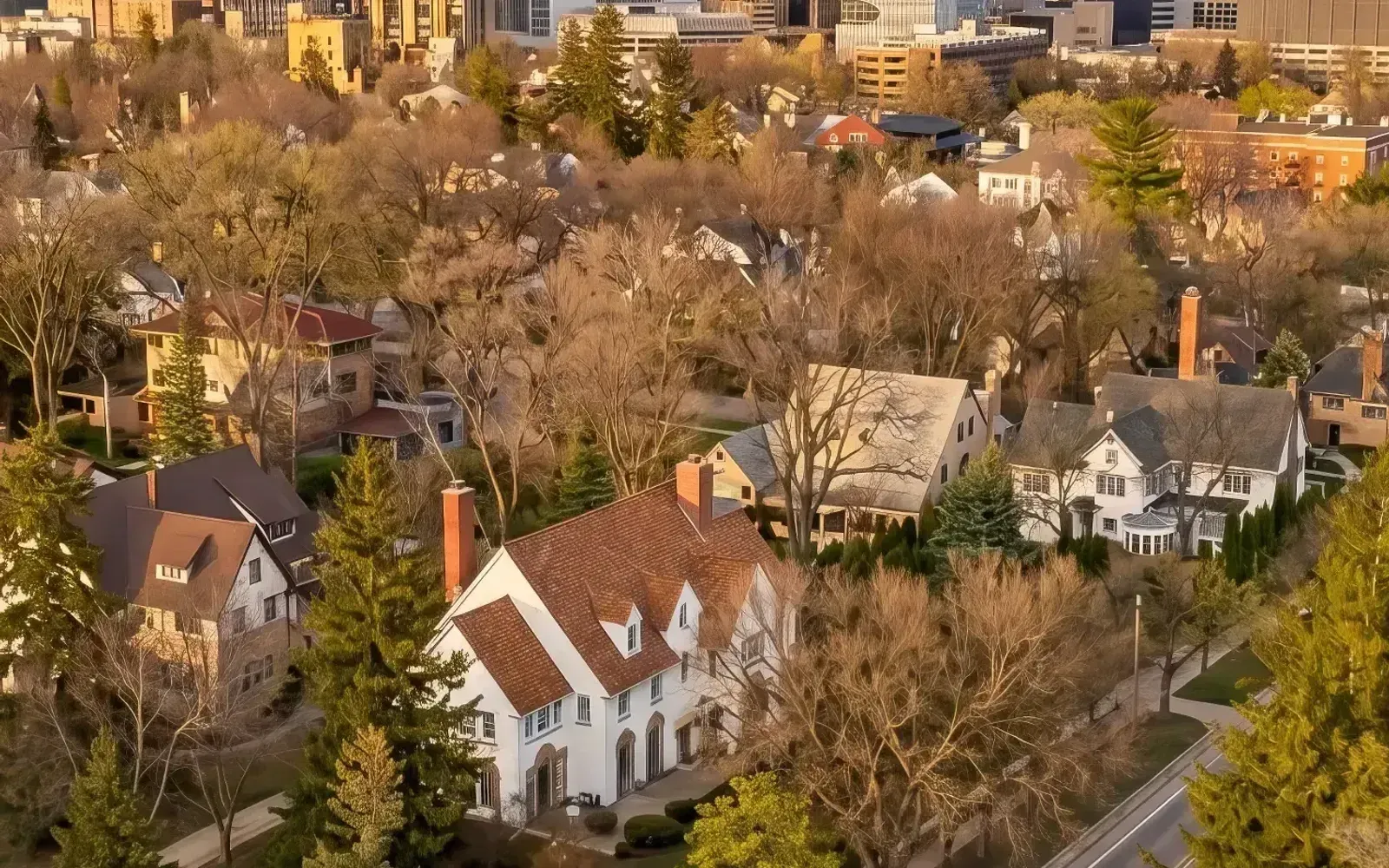
Pill Hill homes weren't built to a pattern, so we don't walk into one with a pattern in mind either. Each house got designed for the family that was going to live in it, and a hundred years later the basement of every one still tells you something different.

If your Bamber Valley home was built after June of 2009, the radon prep is already in your slab. Whether or not it's doing what it's supposed to be doing is a different question, and it's the one most owners around here are actually asking.

East Rochester is where the limestone under your house stops being abstract. Quarry Hill Park is named for the limestone that came out of the hill, and the homes around it sit on or near the same rock. That shifts what's happening underneath the slab.
Olmsted County, southern Goodhue, eastern Dodge, and out into Fillmore and Wabasha. The rock under your basement does not stop at the city limits, and neither do we.
Byron has roughly doubled in size since 2000, and most of the housing here is younger than the kids in it. For a lot of homeowners in town, the radon question is something they're thinking about for the first time, often after a coworker brought it up or a neighbor mentioned a test.
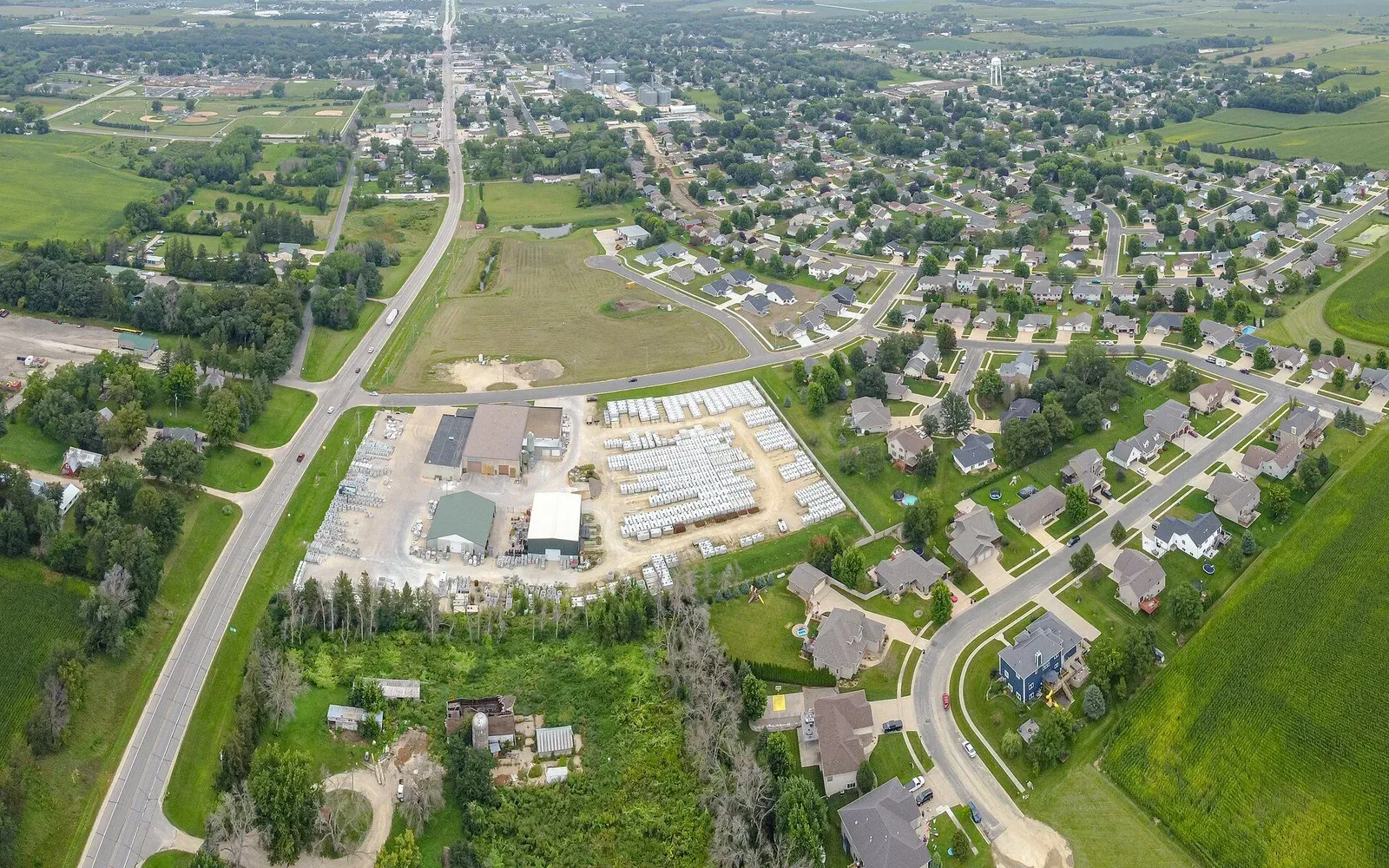
The median construction year for a Stewartville home is 1987, which means the housing here splits roughly in half between older central blocks and newer subdivisions on the edges. The radon question is the same one either way, but the basement it lives in looks very different.
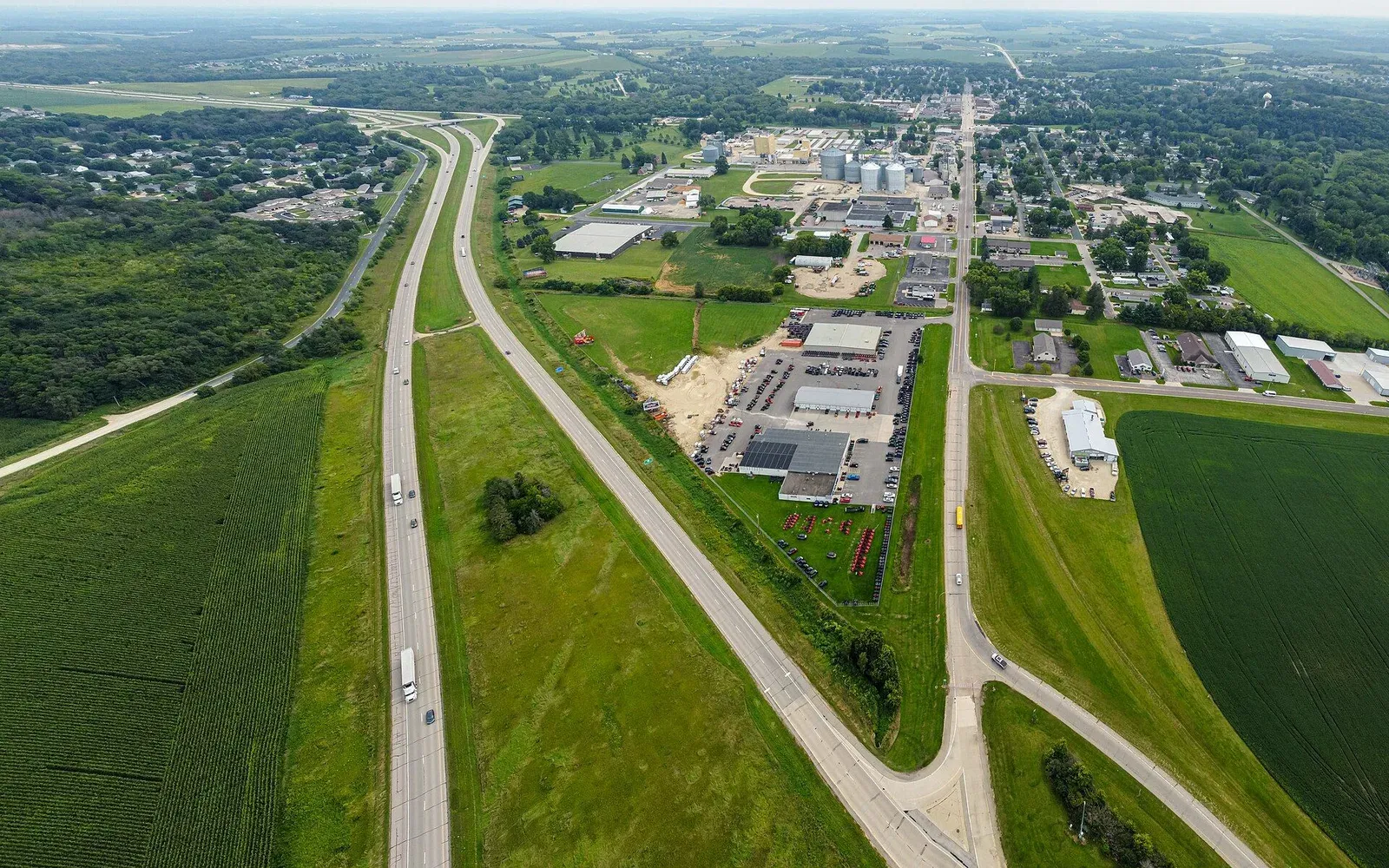
Pine Island has been adding new housing for years and has plenty more on the way. The town recently annexed land for a development with around 200 single-family lots, plus medium and high density housing on top of that. The radon question for these homes looks different than it does in the older parts of town.
Click through for local notes on each.
A short version of the conversations we have on the phone every week. The longer version lives on our questions page.
Two big reasons. The first is the rock under your basement. A layer of soft limestone runs close to the surface across Olmsted County, and it is full of small cracks. Radon gas moves up through those cracks and into the soil under your slab.
The second reason is the Minnesota winter. When your furnace runs, warm air rises and escapes out the top of the house. That pulls air, including radon, up through the basement floor. Both effects work together for six months of the year, which is why local testing puts about half of Olmsted County homes above the EPA action level.
The EPA recommends taking action when a long-term result lands above 4 pCi/L. The World Health Organization sets its line a little lower. A result above either of those is worth a conversation, and it is normal territory for a Rochester home rather than an emergency.
The right next step depends on your home, the foundation, and the rest of the picture. Give us a call and we can walk through what your result means for your situation.
Most likely, yes. Minnesota has required a basic radon prep in every new home since 2009. That means a pipe that runs from below the basement floor up through the roof, plus a sealed plastic layer under the slab. On its own, that prep is rarely enough to bring a Minnesota home under the action level.
A lot of those homes still test above 4 pCi/L once people move in. The right next step is a conversation about your specific home. It is the most common starting point we hear from Byron, Pine Island, Bamber Valley, and the newer parts of Rochester.
Winter is the more honest test. The house is sealed up, the furnace is running, and indoor radon is at its highest. Both the Minnesota Department of Health and Olmsted County Public Health recommend testing in the cold months for that reason.
For a real estate sale, the rules are the same year-round. Windows and outside doors stay closed except for normal use for at least 12 hours before the test starts and during the test.
Real estate timelines are something we hear about often. Call us and tell us where you are in the process, and we can talk through what your situation looks like and how the conversation might fit your closing calendar.
Minnesota law requires sellers to share any radon results and any past mitigation in writing before the purchase agreement is signed. We are familiar with what those rules ask for.
A radon system is built to run quietly in the background. From inside the basement you will hear it less than you hear your refrigerator. When the fan sits outside the house, you usually hear nothing at all from inside.
The electrical draw is small, similar to a light bulb running all day.
Yes. The Minnesota Department of Health and the EPA both recommend a follow-up test after install. After that, periodic testing keeps an eye on how the system is doing. A gauge on the wall confirms the fan is running, but it does not replace an actual air measurement.
About 42% of tested Olmsted County homes come back above the EPA action level. The surrounding counties are higher. The first step is knowing where yours sits, and that is the part we do for free.