Radon Mitigation in Bamber Valley, Rochester MN
Radon work in Bamber Valley, done by people who know the basements.
If your Bamber Valley home was built after June of 2009, the radon prep is already in your slab. Whether or not it's doing what it's supposed to be doing is a different question, and it's the one most owners around here are actually asking.
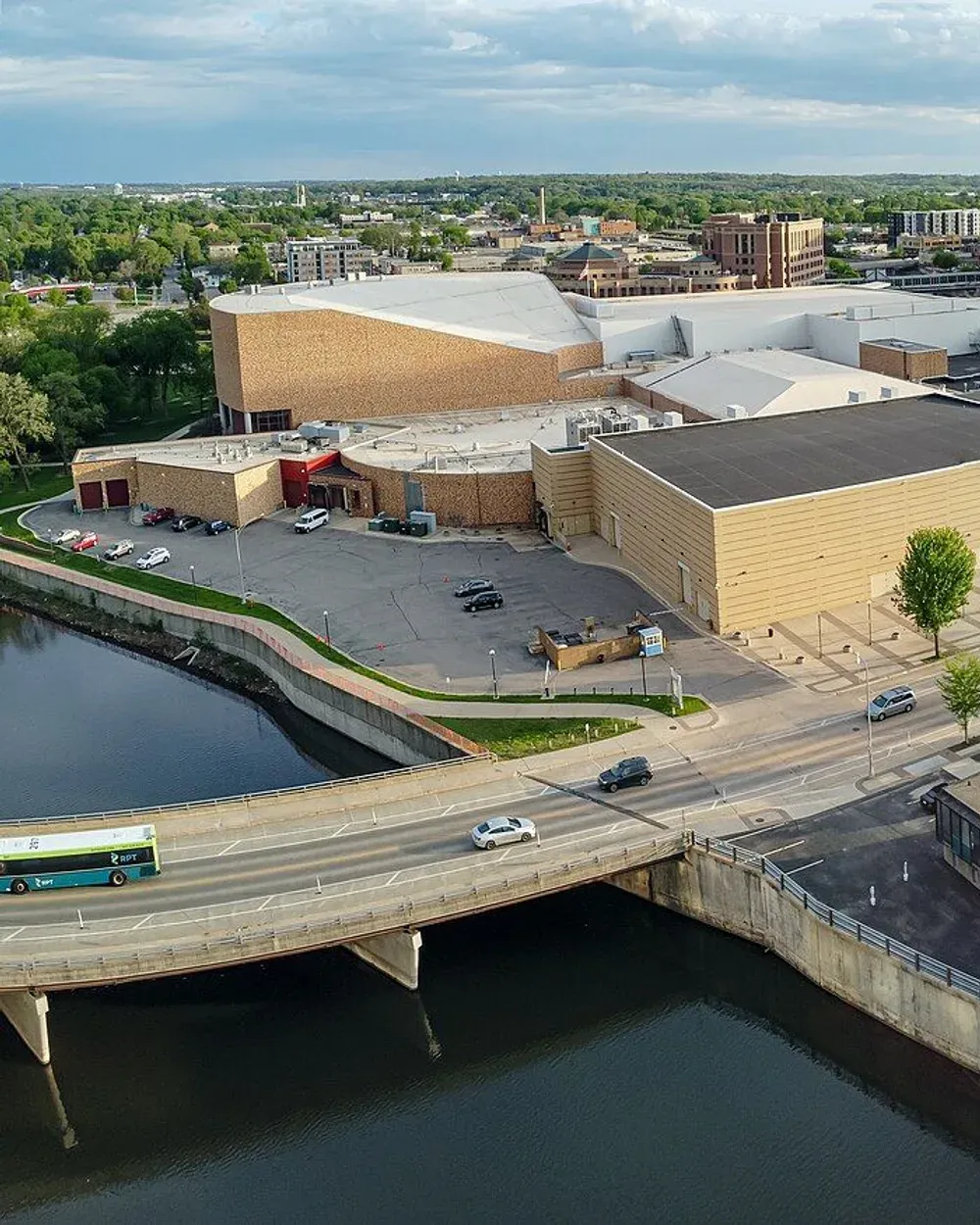
A passive system isn't a finished system
Since June of 2009, every new home built in Minnesota has been required to have a passive radon control system. That's a layer of gas-permeable material under the slab, a soil-gas membrane on top of it, a vent pipe running from below the slab up through the roof, and an electrical box in the attic ready for a future fan. Most of the housing in Bamber Valley has this exact setup.
The catch is that the Minnesota Department of Health has found that roughly one in four new homes with a passive system still test above the EPA action level of 4.0 pCi/L. The passive system relies on the natural stack effect of the home, and that works some of the time and doesn't the rest. Testing is how you know which one you have.
For owners who haven't tested yet, this is usually where we start the conversation. The code that was in effect when your house went up is part of the story, but it isn't the whole story.
Bamber Valley at a glance
South-central Rochester, west of Highway 52.
- Era
- Late 1990s through the 2010s, with most homes built post-2000
- Foundations
- Poured concrete throughout. Homes built after June of 2009 have a passive radon system roughed in under the slab as part of the Minnesota Residential Code.
- Era
- Late 1990s through 2010s
- Code applies to homes built after
- June 2009
- Passive systems testing high
- Roughly 1 in 4 per MDH data
- Rochester median radon
- 3.2 pCi/L Citywide. Tracts range 2.2–5.3 pCi/L. By-tract view.
- Olmsted Co. ≥ 4 pCi/L
- 42.3% of tested homes MDH, 2014–2023
Three steps. On your timeline.
Measure your radon level.
We start with a measurement of what is actually in the air your family breathes. You see the result we see, and we walk through what it means in plain language.
You see the picture first.
Once you have the result, we talk through what your home is dealing with. No scripts, no pressure. You decide what to do next on your own timeline.
A conversation about your home.
If you want to take action, we look at the basement together and talk through what a plan for your foundation could look like. Every home is its own conversation.
Other Rochester neighborhoods we cover.
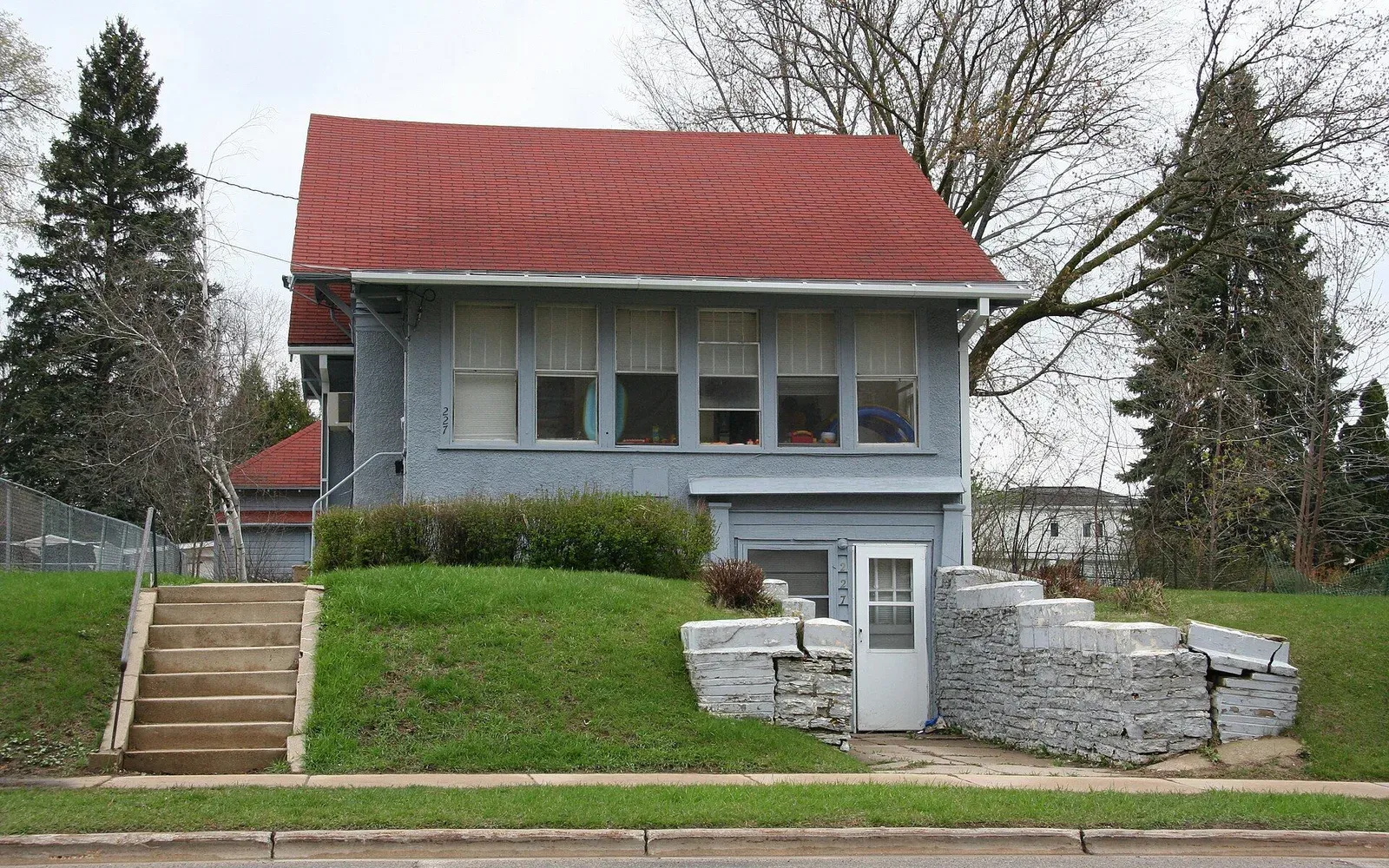
Manor Woods
Manor Woods and Manor Woods West went up fast, mostly from a small handful of builder packages, and the houses share enough DNA that we usually have a sense of the layout before we pull up to the curb.
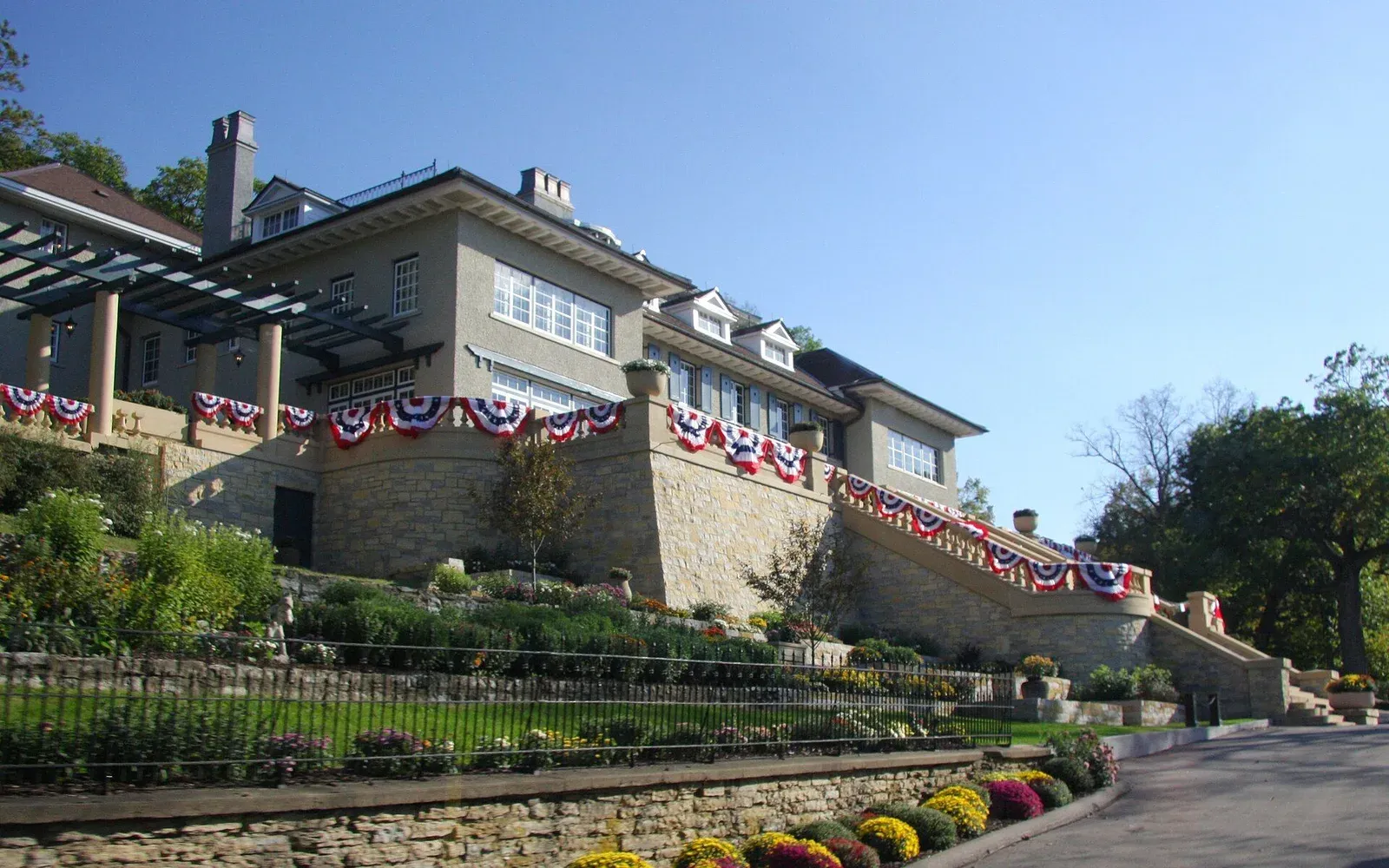
Hart Farms and Mayo Woodlands
Most of the homes in Hart Farms and Mayo Woodlands are custom builds, and a custom build doesn't look like the house next door. The walkout, the bonus room over the garage, the slab-on-grade addition. Each of those is its own thing.
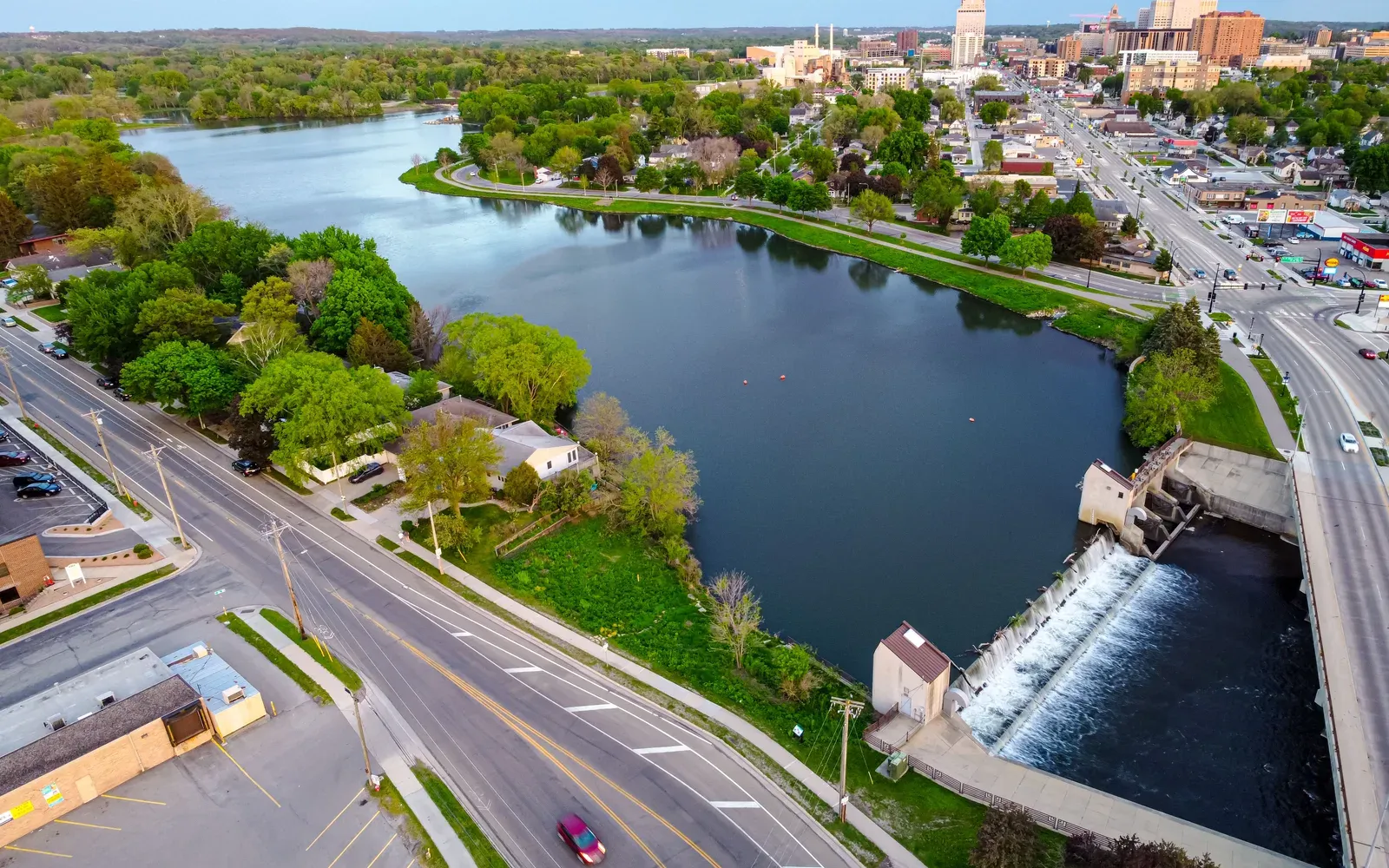
Century Hills
Most of the Century Hills and Cassidy Ridge calls we get are from buyers, not owners. The closing date is already on the calendar, the inspection came back with a number, and the question is what to do with the time between now and the walkthrough.
Find out your radon levels with a free radon test.
About 42% of tested Olmsted County homes come back above the EPA action level. The surrounding counties are higher. The first step is knowing where yours sits, and that is the part we do for free.