Radon Mitigation in Pill Hill, Rochester MN
Radon work in Pill Hill, done by people who know the basements.
Pill Hill homes weren't built to a pattern, so we don't walk into one with a pattern in mind either. Each house got designed for the family that was going to live in it, and a hundred years later the basement of every one still tells you something different.
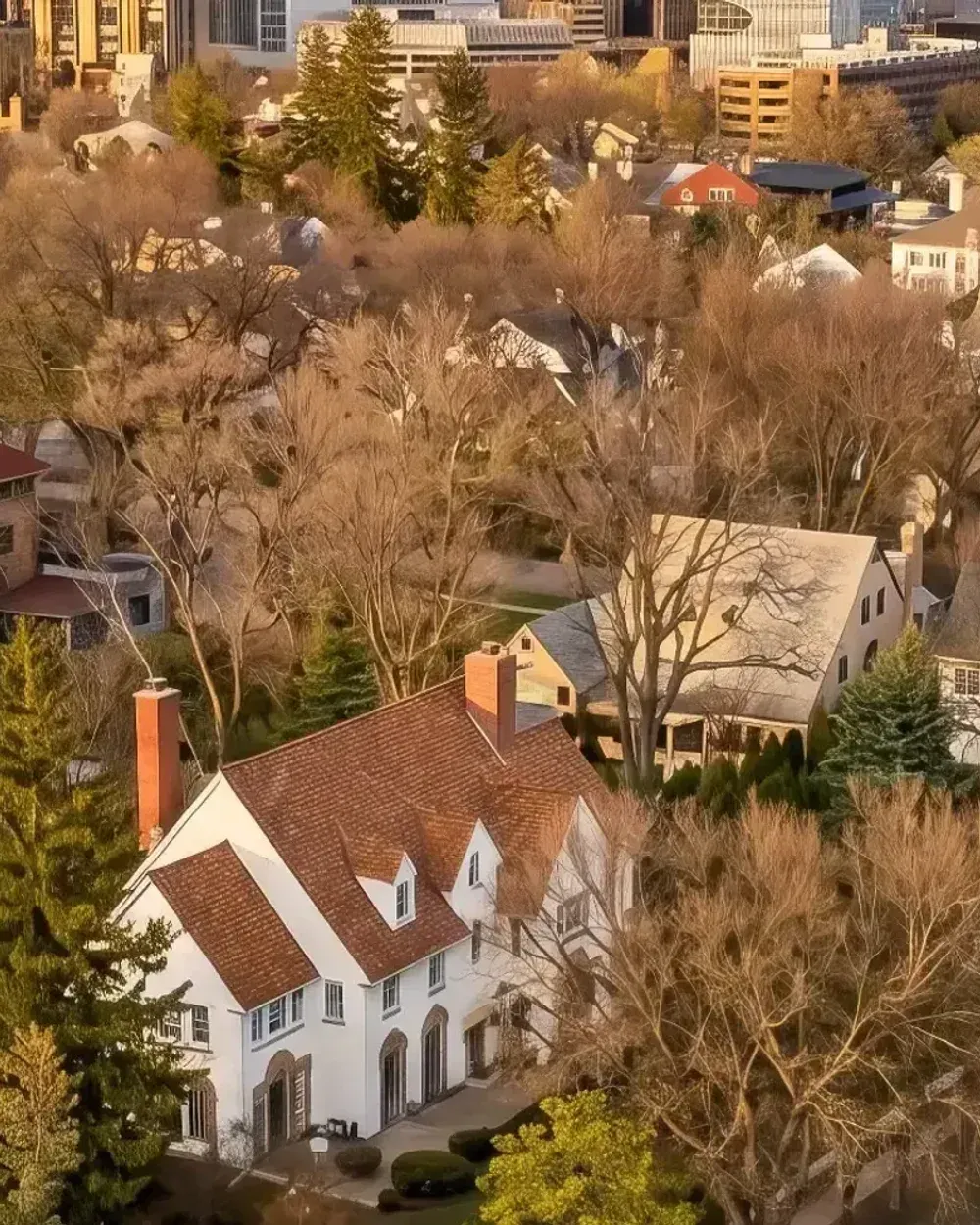
A neighborhood under landmark protection
There are around 130 contributing homes on the hill, most of them designed by architects like Harold Crawford, Ellerbe and Associates, and Edwin Lundie for Mayo physicians during the first three decades of the 1900s. The neighborhood has been on the National Register since 1990, and in February of 2025 the city council approved a local landmark district that adds another layer of protection.
The local designation matters more day-to-day than the National Register does. Anything that touches the exterior of a Pill Hill home now goes through the Heritage Preservation Commission before it gets built, which is something to know going in for any kind of project.
The foundations are their own conversation. A stone or brick basement wall from 1918 isn't sealed the way a poured wall from 2018 is, which means every house on the hill brings its own set of questions.
Pill Hill at a glance
Pill Hill Historic Landmark District, southwest of downtown Rochester.
- Era
- Most construction between 1903 and 1937
- Foundations
- Stone and brick walls, mortar that has had a century to settle, old cisterns and coal rooms tucked into corners, and slabs that often got poured in sections decades apart from each other.
- On the National Register since
- 1990
- Local landmark district since
- February 2025
- Foundation walls
- Stone, brick, mixed-era slabs
- Rochester median radon
- 3.2 pCi/L Citywide. Tracts range 2.2–5.3 pCi/L. By-tract view.
- Olmsted Co. ≥ 4 pCi/L
- 42.3% of tested homes MDH, 2014–2023
Three steps. On your timeline.
Measure your radon level.
We start with a measurement of what is actually in the air your family breathes. You see the result we see, and we walk through what it means in plain language.
You see the picture first.
Once you have the result, we talk through what your home is dealing with. No scripts, no pressure. You decide what to do next on your own timeline.
A conversation about your home.
If you want to take action, we look at the basement together and talk through what a plan for your foundation could look like. Every home is its own conversation.
Other Rochester neighborhoods we cover.
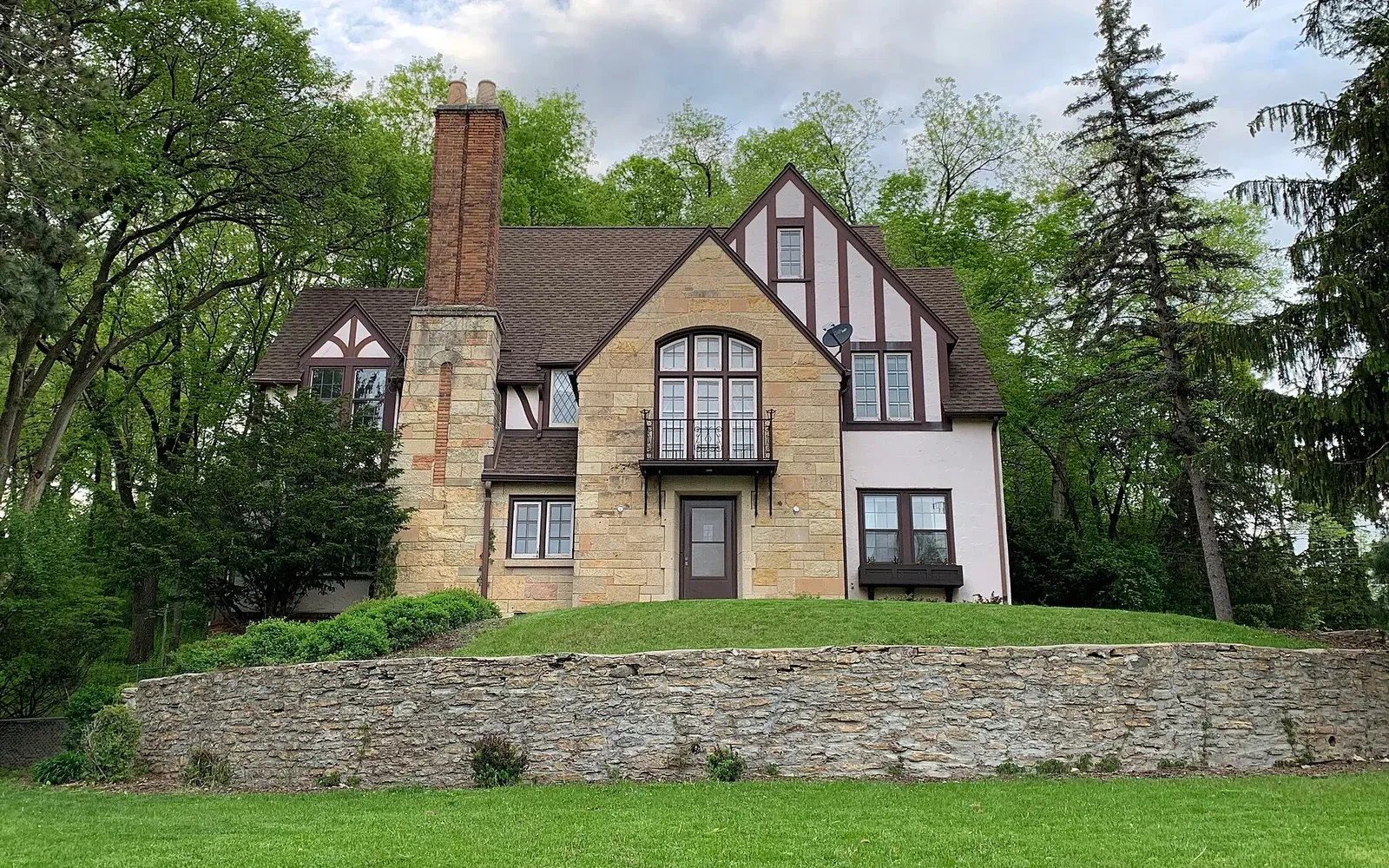
Historic Southwest
A lot of Historic Southwest homes have been remodeled four or five times since they were built. Each remodel left its mark on the basement, and the radon story for any individual house has to start with what those layers look like.
Kutzky Park
A lot of Kutzky Park basements have been finished and refinished in pieces by every owner who lived there. By the time the current homeowner bought the place, the basement had a few decades of decisions stacked into it that nobody really wrote down.
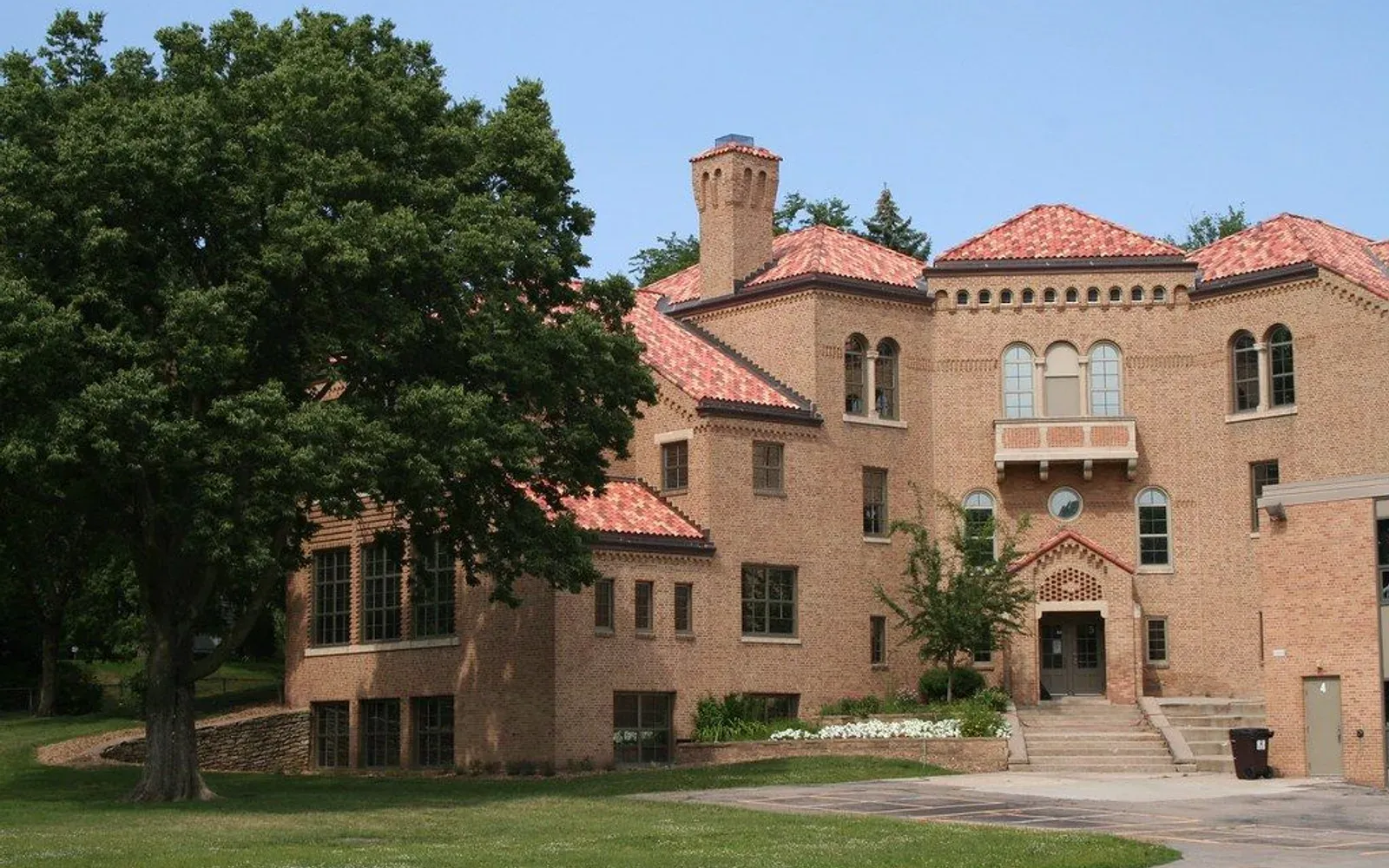
Folwell
The first question a Folwell homeowner usually has is some version of, "does any of this involve tearing up my finished basement?" It's a fair thing to ask, and it's usually the place where the conversation starts.
Find out your radon levels with a free radon test.
About 42% of tested Olmsted County homes come back above the EPA action level. The surrounding counties are higher. The first step is knowing where yours sits, and that is the part we do for free.