Radon Mitigation in Preston, MN
Radon testing and mitigation in Preston.
Preston is the county seat of Fillmore County and home to the National Trout Center. The town is built into the bluffs along the Root River, and the terrain here is more dramatic than anywhere else in the region. The geology that drives the trout fishing also shapes what's happening under the homes.
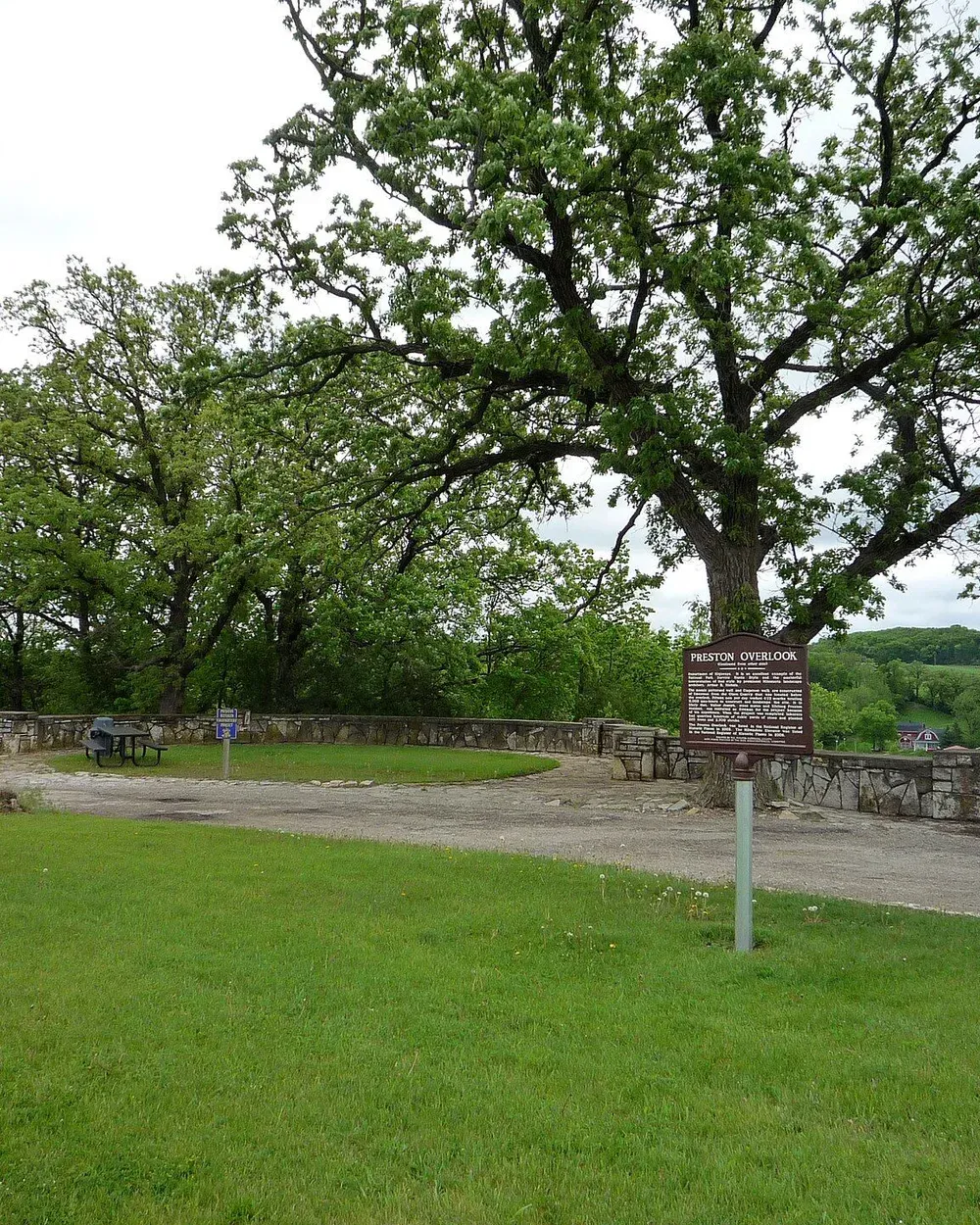
A town built into the bluffs
The Root River has cut through limestone here for thousands of years, and the bluffs around Preston make that history visible. The Preston Overlook on the south end of town looks out across the kind of terrain that explains why Fillmore County has the geology it does. The same rock runs under almost every home in the county seat.
For housing, that means foundations vary noticeably depending on where a home sits on the slope. A home up on the bluff has a different soil and rock profile under it than a home down along the river. Crawl spaces, daylight basements, and slab-on-grade additions are all common, and each behaves on its own.
The National Trout Center in town is built around the Root River trout fishery, which depends on the cold spring-fed water that flows out of the limestone aquifer. That same aquifer system is part of what makes the radon picture here distinct from the rest of the region.
Preston at a glance
Radon work for the Fillmore County seat, set into the Root River bluffs in some of the most dramatic terrain in southeast Minnesota.
- Housing
- Older central housing built up the hillsides around downtown, plus newer infill and rural homes on the surrounding bluffs and along the Root River corridor.
- Geology
- Heavy karst country with frequent rock outcrops, visible bluffs along the Root River, and a mapped network of springs, sinkholes, and disappearing streams.
- Median radon (Preston)
- 5.1 pCi/L , above the EPA action level 24 tests/yr avg, MDH 2014–2023
- Fillmore County ≥ 4 pCi/L
- 54.9% of tested homes Ranks #31 of 87 MN counties
- Distance from Rochester
- 33 miles south
- County
- Fillmore (county seat)
- Terrain
- Root River bluff country
What the radon numbers actually say in Preston
Across the testing the Minnesota Department of Health, Radon Testing public dataset has on file for Preston (2014–2023), the median home reads 5.1 pCi/L. That is above the EPA action level of 4 pCi/L. The geometric mean comes in at 4.2 pCi/L. That is a log-scale average that tends to track better when the distribution has a long upper tail, which radon distributions always do.
Zoom out to Fillmore County. 54.9% of tested homes in the county come back at or above 4 pCi/L. That ranks Fillmore County #31 of 87 Minnesota counties for the share of homes above the action level. A separate 73.7% of tested homes are at or above 2 pCi/L, which is the threshold the Minnesota Department of Health uses when it recommends action.
About 24 Preston homes get tested every year on average, drawing from a stock of roughly 1,527 housing units. The number above is not a forecast for your specific home. Radon varies house to house even on the same street. The number is a reasonable starting line for the conversation, not a prediction. See the full data set for the by-county and by-tract picture.
Three steps. On your timeline.
Measure your radon level.
We start with a measurement of what is actually in the air your family breathes. You see the result we see, and we walk through what it means in plain language.
You see the picture first.
Once you have the result, we talk through what your home is dealing with. No scripts, no pressure. You decide what to do next on your own timeline.
A conversation about your home.
If you want to take action, we look at the basement together and talk through what a plan for your foundation could look like. Every home is its own conversation.
Other towns we cover.
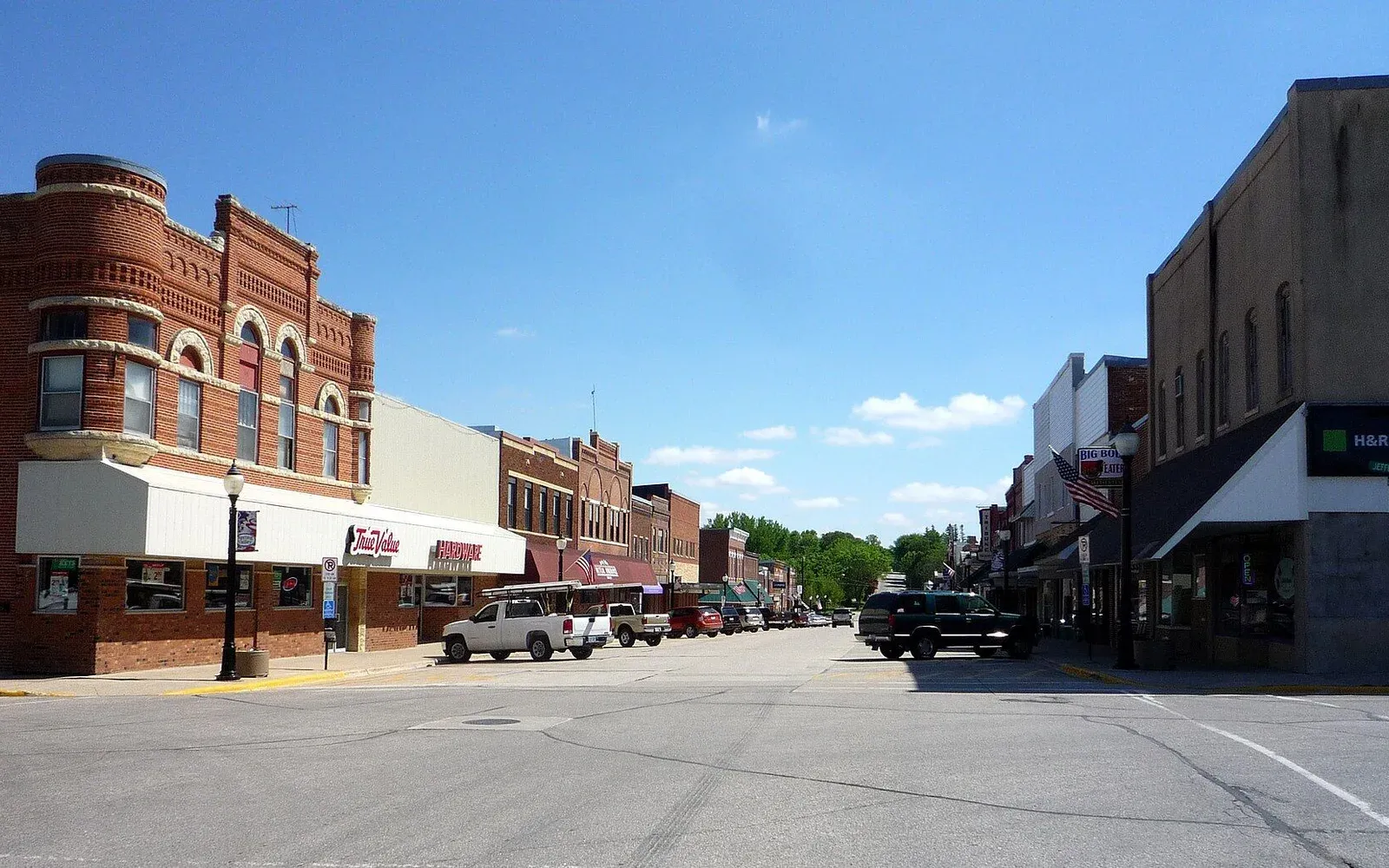
Spring Valley
Spring Valley sits in some of the most studied karst landscape in Minnesota. The town is a few miles from Niagara Cave, and sinkholes are mapped throughout the surrounding townships. For homeowners here, the geology is not abstract.
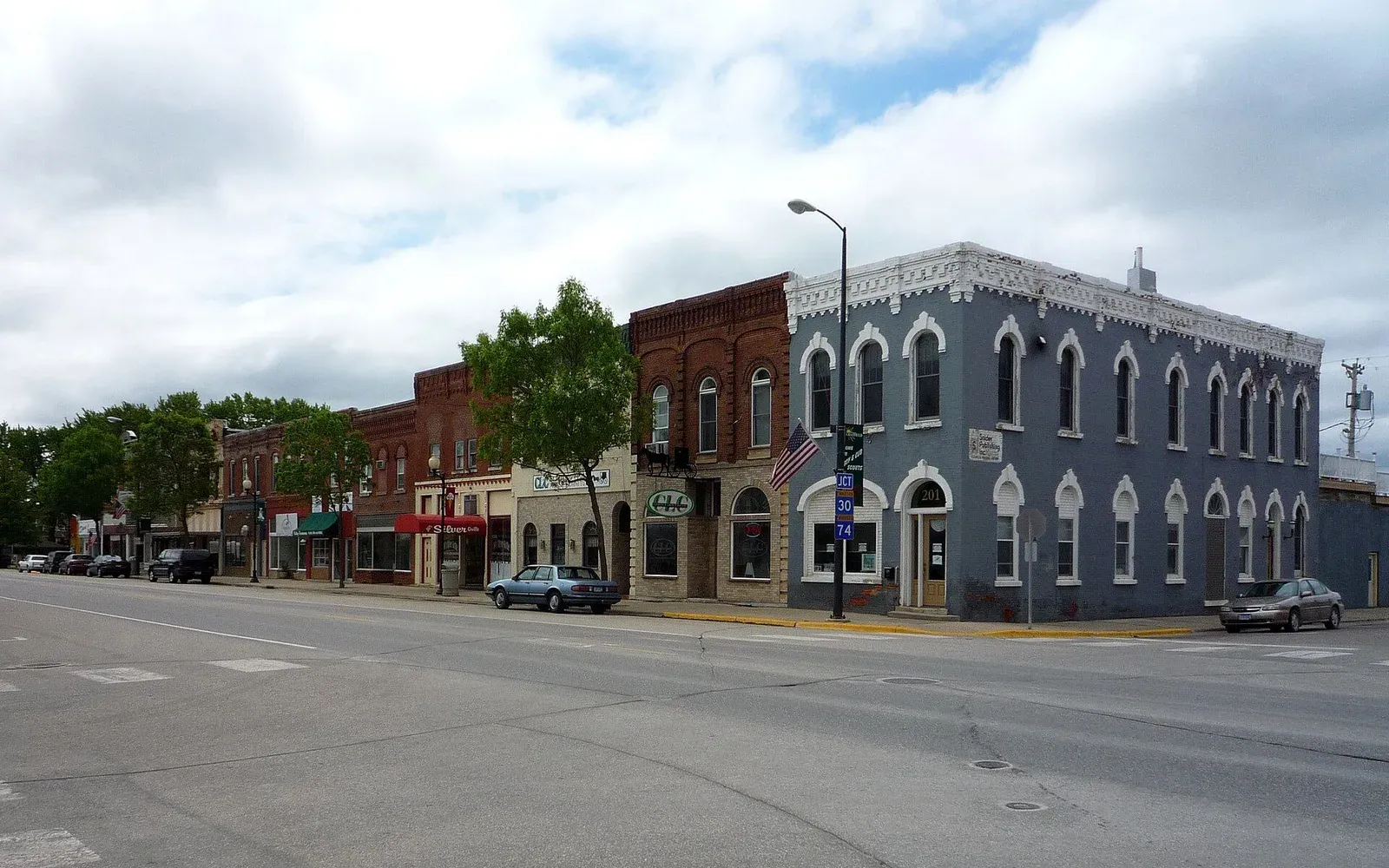
Chatfield
Chatfield straddles the line between Fillmore and Olmsted counties, with most of the city in Fillmore. The downtown core is one of the most intact small-town main streets in this part of Minnesota, and the housing around it covers eight decades of construction.
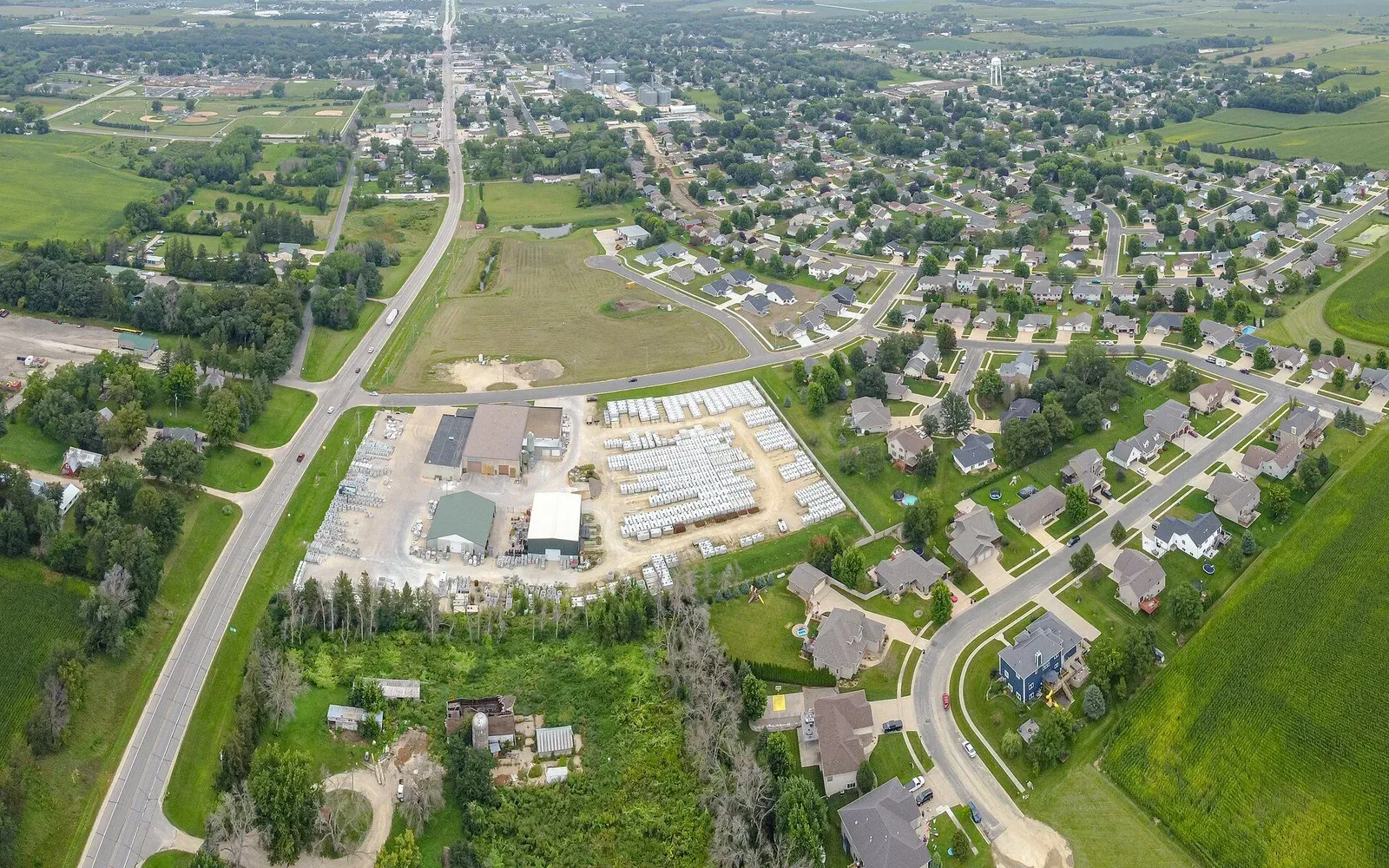
Stewartville
The median construction year for a Stewartville home is 1987, which means the housing here splits roughly in half between older central blocks and newer subdivisions on the edges. The radon question is the same one either way, but the basement it lives in looks very different.
Find out your radon levels with a free radon test.
About 42% of tested Olmsted County homes come back above the EPA action level. The surrounding counties are higher. The first step is knowing where yours sits, and that is the part we do for free.