Radon Mitigation in Slatterly Park, Rochester MN
Radon work in Slatterly Park, done by people who know the basements.
Most of the Slatterly Park calls we get come from a buyer in the middle of a home inspection with two weeks to closing and a radon number that came back higher than expected. We know the pace those conversations move at.
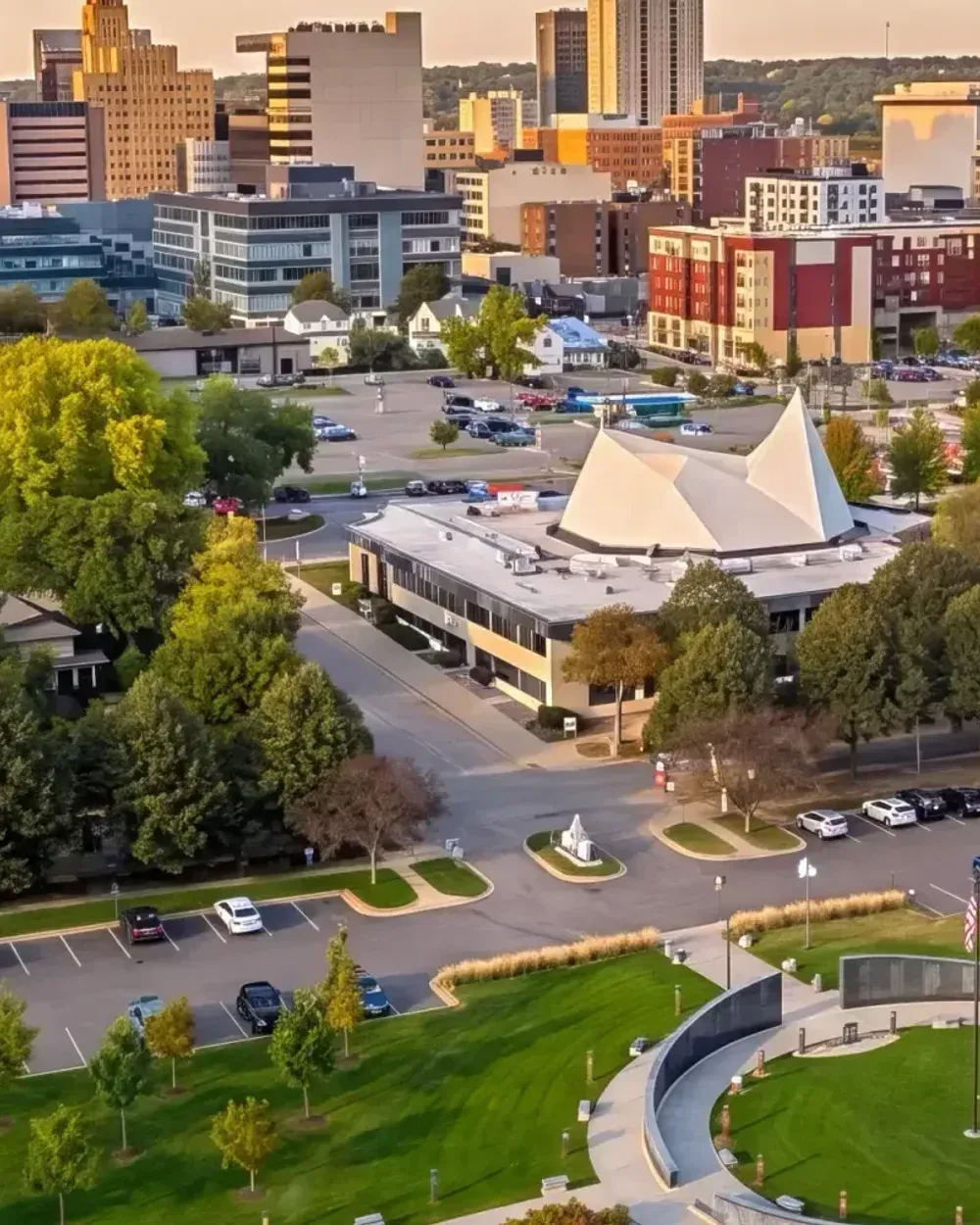
Bear Creek shapes the lower streets
Slatterly Park is split by Bear Creek, which is a fork of the Zumbro that runs east to west through the neighborhood. The streets closer to the creek sit lower, drain slower, and have a different soil profile than the streets up toward Mayo High School. Two homes that look almost identical on Zillow can sit on very different ground.
The housing stock is mostly pre-war. Cottages and four-squares built tight to the lot lines back when Rochester had ten thousand people instead of the hundred and twenty thousand it has now. A lot of these homes have changed hands a half-dozen times since then, which means a half-dozen owners have made decisions about the basement.
For a first-time buyer working through an inspection contingency, the radon question is often the one part of the process where you didn't see the result coming. It's a common call from this part of town.
Slatterly Park at a glance
Southeast of downtown Rochester, along Bear Creek.
- Era
- Predominantly built before 1939, with some 1940s to 1960s infill
- Foundations
- Block walls in the older sections, poured concrete in the post-war homes, sump pits on the streets closer to Bear Creek, and a number of homes still with partial dirt floors in unfinished crawl spaces.
- Most homes built
- Before 1939
- Creek through the neighborhood
- Bear Creek (a fork of the Zumbro)
- Common context
- Pre-closing home inspections
- Rochester median radon
- 3.2 pCi/L Citywide. Tracts range 2.2–5.3 pCi/L. By-tract view.
- Olmsted Co. ≥ 4 pCi/L
- 42.3% of tested homes MDH, 2014–2023
Three steps. On your timeline.
Measure your radon level.
We start with a measurement of what is actually in the air your family breathes. You see the result we see, and we walk through what it means in plain language.
You see the picture first.
Once you have the result, we talk through what your home is dealing with. No scripts, no pressure. You decide what to do next on your own timeline.
A conversation about your home.
If you want to take action, we look at the basement together and talk through what a plan for your foundation could look like. Every home is its own conversation.
Other Rochester neighborhoods we cover.
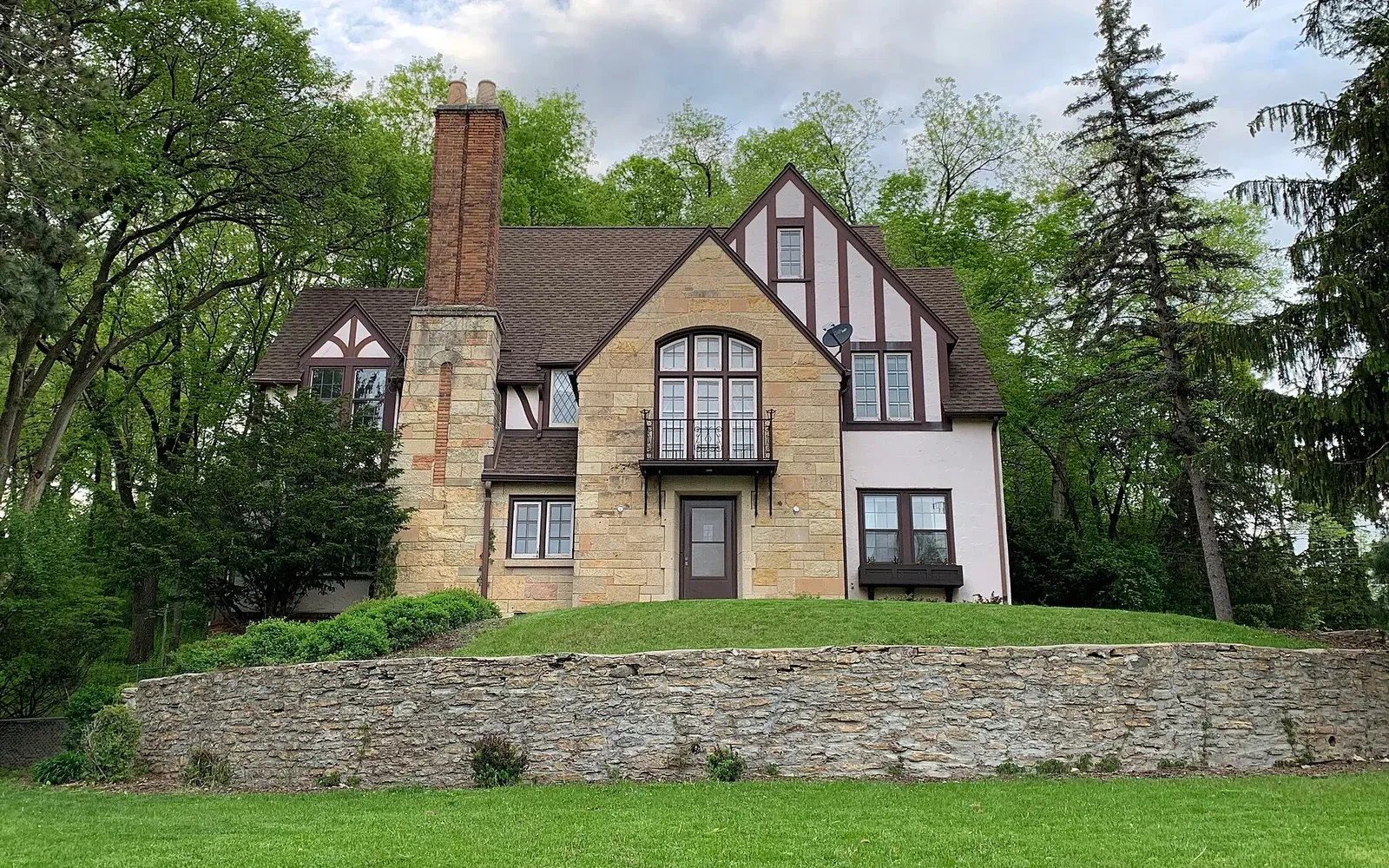
Historic Southwest
A lot of Historic Southwest homes have been remodeled four or five times since they were built. Each remodel left its mark on the basement, and the radon story for any individual house has to start with what those layers look like.
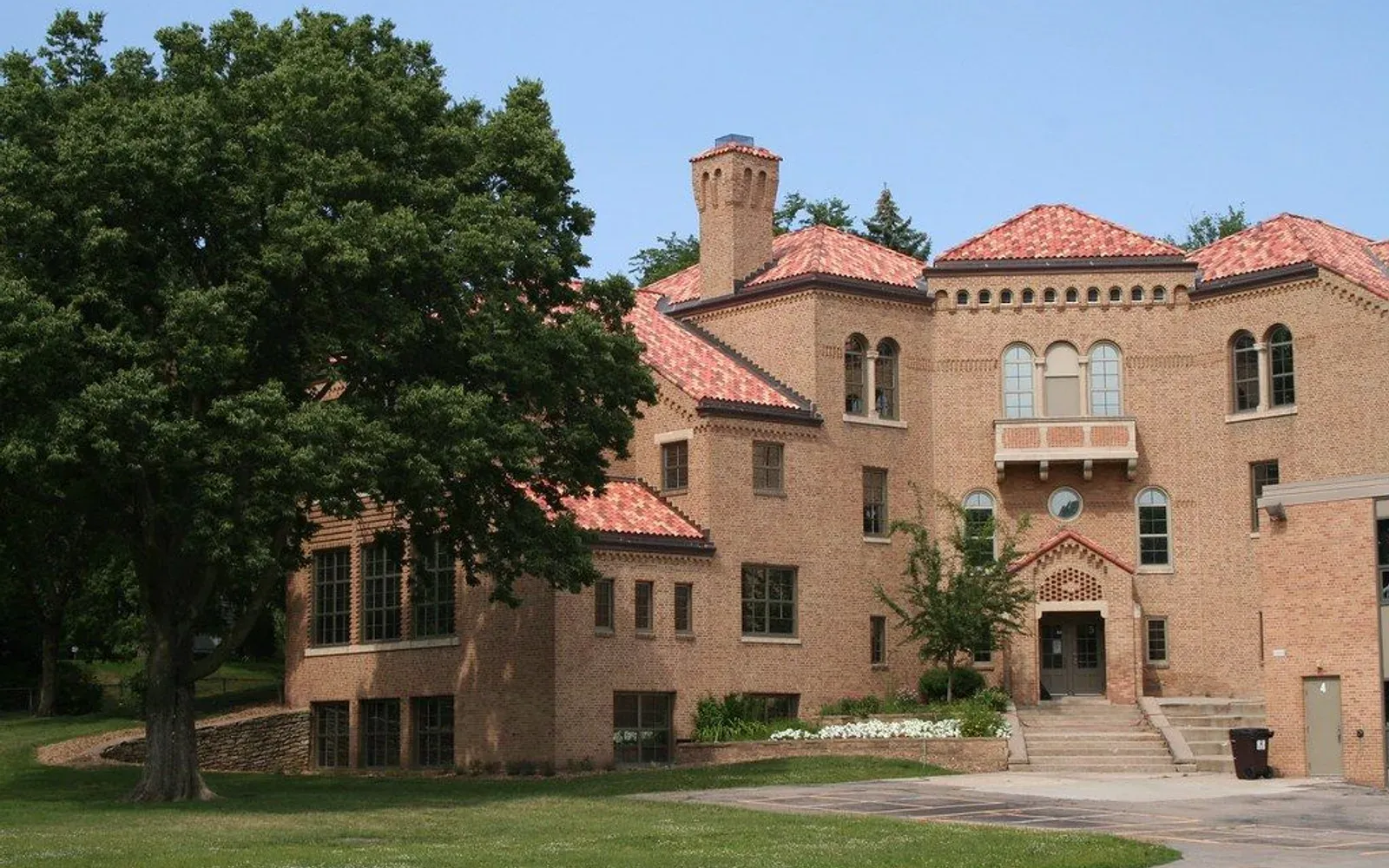
Folwell
The first question a Folwell homeowner usually has is some version of, "does any of this involve tearing up my finished basement?" It's a fair thing to ask, and it's usually the place where the conversation starts.
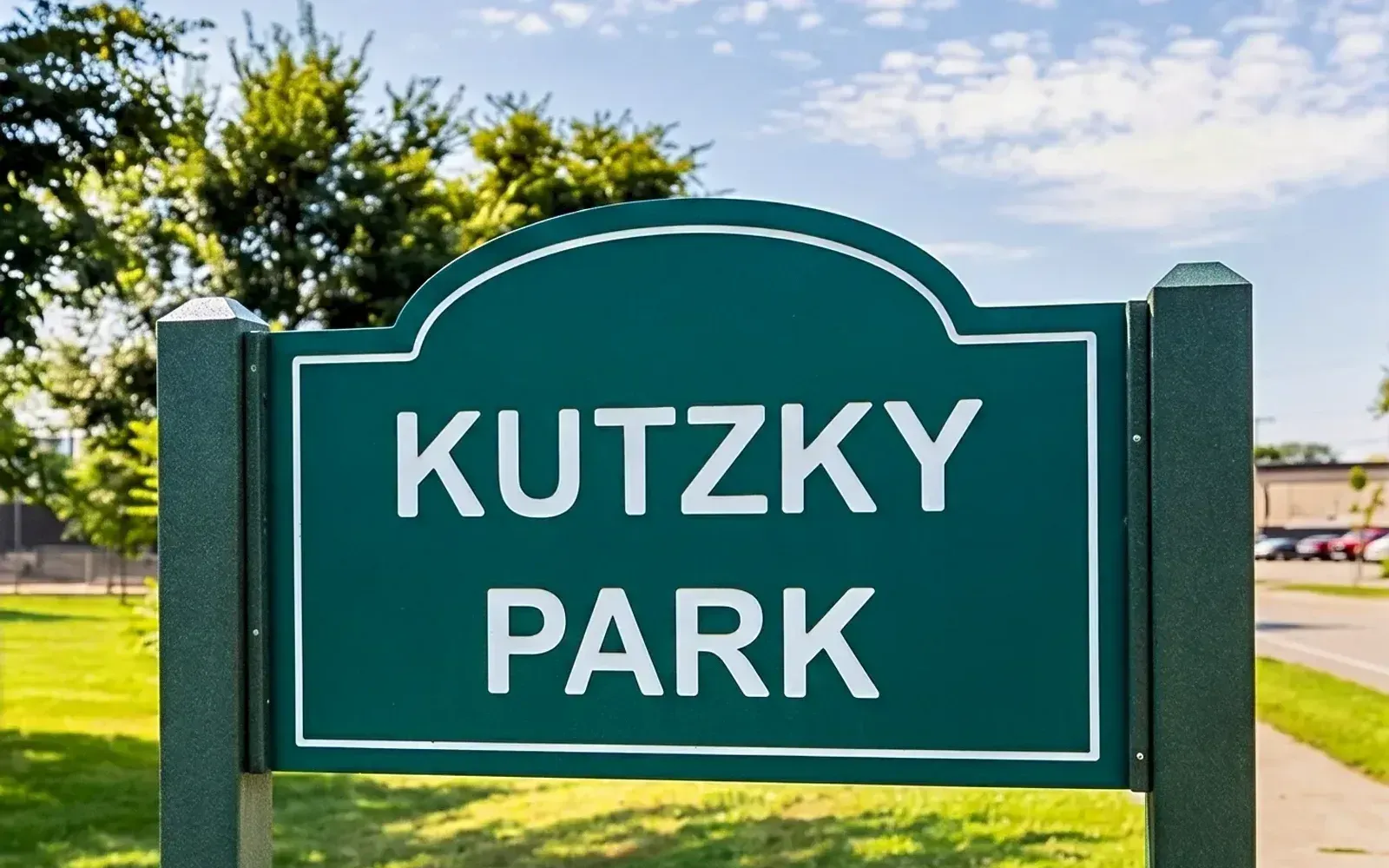
Kutzky Park
A lot of Kutzky Park basements have been finished and refinished in pieces by every owner who lived there. By the time the current homeowner bought the place, the basement had a few decades of decisions stacked into it that nobody really wrote down.
Find out your radon levels with a free radon test.
About 42% of tested Olmsted County homes come back above the EPA action level. The surrounding counties are higher. The first step is knowing where yours sits, and that is the part we do for free.