Radon Mitigation in Historic Southwest, Rochester MN
Radon work in Historic Southwest, done by people who know the basements.
A lot of Historic Southwest homes have been remodeled four or five times since they were built. Each remodel left its mark on the basement, and the radon story for any individual house has to start with what those layers look like.
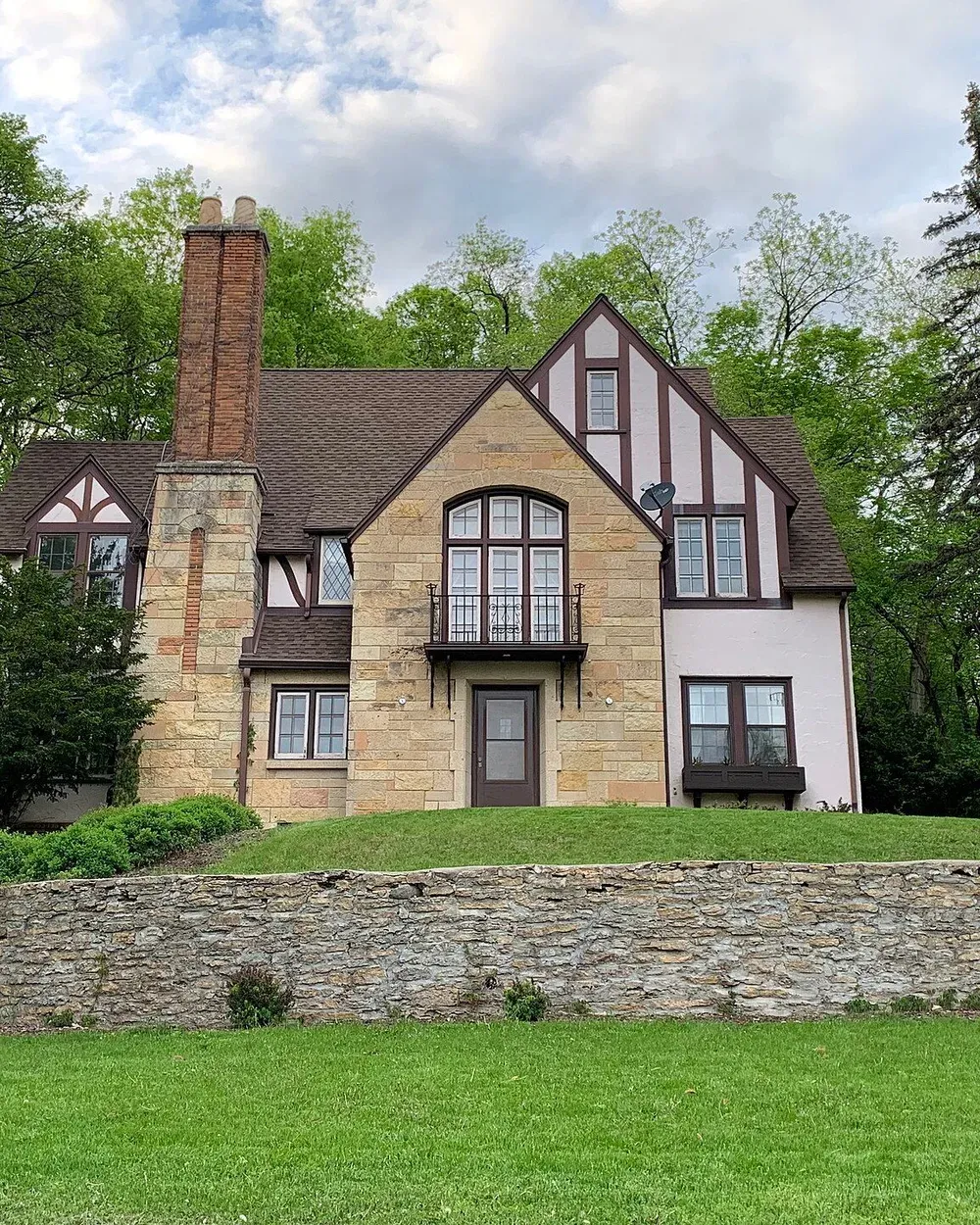
Homes that grew in pieces
The housing in Historic Southwest spans almost half a century, from 1910s four-squares to 1950s ranches and everything in between. The neighborhood sits between the Mayo Clinic Saint Marys campus and downtown, which has meant decades of pressure to remodel, expand, and add on. Most of the homes here have grown over time.
Radon doesn't respect the addition lines. A 1925 four-square with a 1968 family room and a 1995 sunroom is technically three different slabs sitting on three different soil profiles, and the test reading from one part of the home doesn't always tell you what's happening in another.
A lot of Historic Southwest homeowners have spent real money restoring the interior of these homes. Original woodwork, refinished floors, the kind of details that took a craftsman to put back. Those are the parts of the home we care about being thoughtful around.
Historic Southwest at a glance
Between downtown Rochester and the Mayo Clinic Saint Marys campus.
- Era
- Early 1900s four-squares and Tudors through 1950s ranches
- Foundations
- Original basements are usually full-depth block or poured concrete. Additions tend to sit on slab over what used to be a porch, sunroom, or attached garage. Each section moves air independently of the others.
- Era mix
- 1910s through 1950s, plus later remodels
- Common pattern
- Original basement plus addition slabs
- Adjacent to
- Mayo Clinic Saint Marys campus
- Rochester median radon
- 3.2 pCi/L Citywide. Tracts range 2.2–5.3 pCi/L. By-tract view.
- Olmsted Co. ≥ 4 pCi/L
- 42.3% of tested homes MDH, 2014–2023
Three steps. On your timeline.
Measure your radon level.
We start with a measurement of what is actually in the air your family breathes. You see the result we see, and we walk through what it means in plain language.
You see the picture first.
Once you have the result, we talk through what your home is dealing with. No scripts, no pressure. You decide what to do next on your own timeline.
A conversation about your home.
If you want to take action, we look at the basement together and talk through what a plan for your foundation could look like. Every home is its own conversation.
Other Rochester neighborhoods we cover.
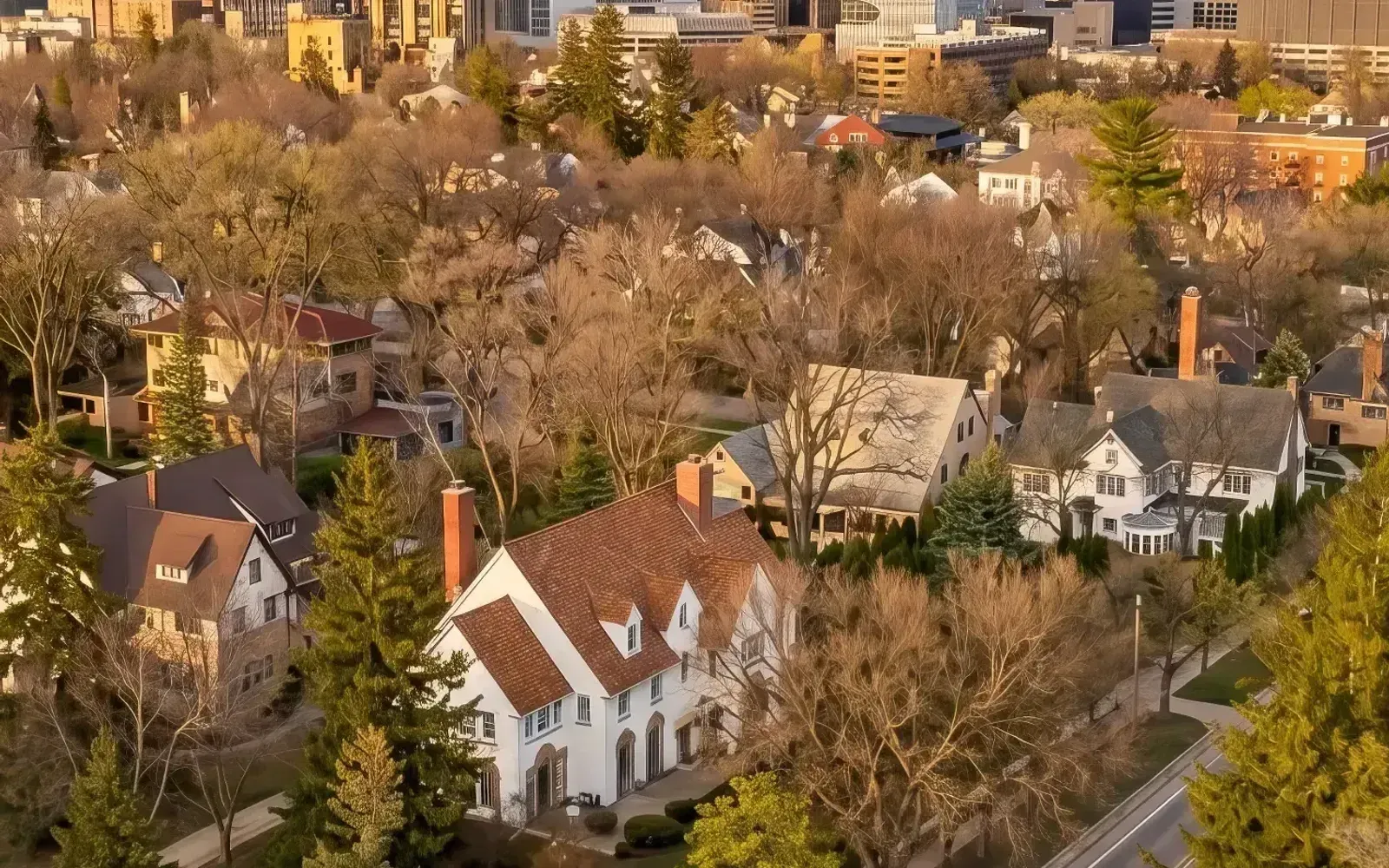
Pill Hill
Pill Hill homes weren't built to a pattern, so we don't walk into one with a pattern in mind either. Each house got designed for the family that was going to live in it, and a hundred years later the basement of every one still tells you something different.
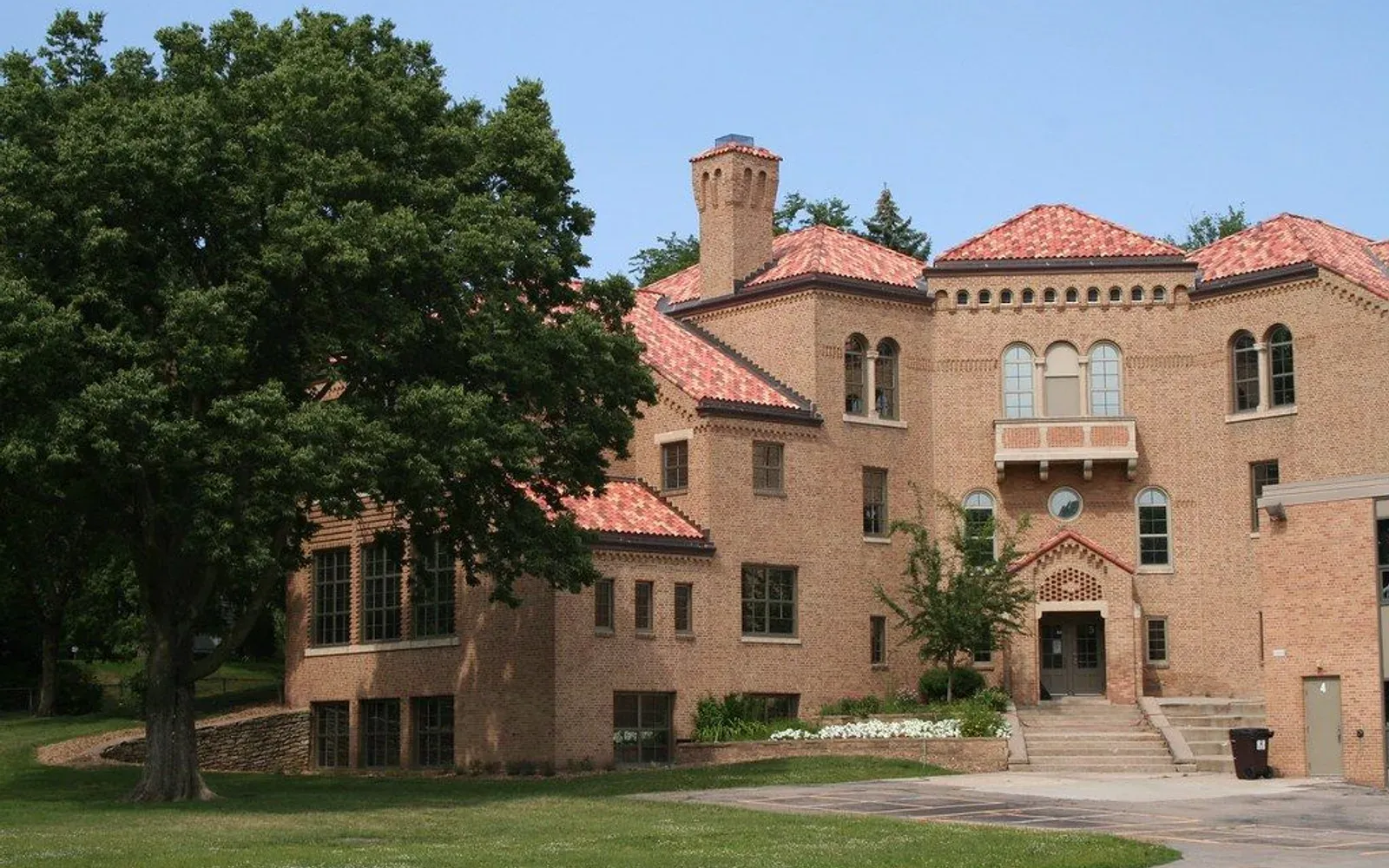
Folwell
The first question a Folwell homeowner usually has is some version of, "does any of this involve tearing up my finished basement?" It's a fair thing to ask, and it's usually the place where the conversation starts.
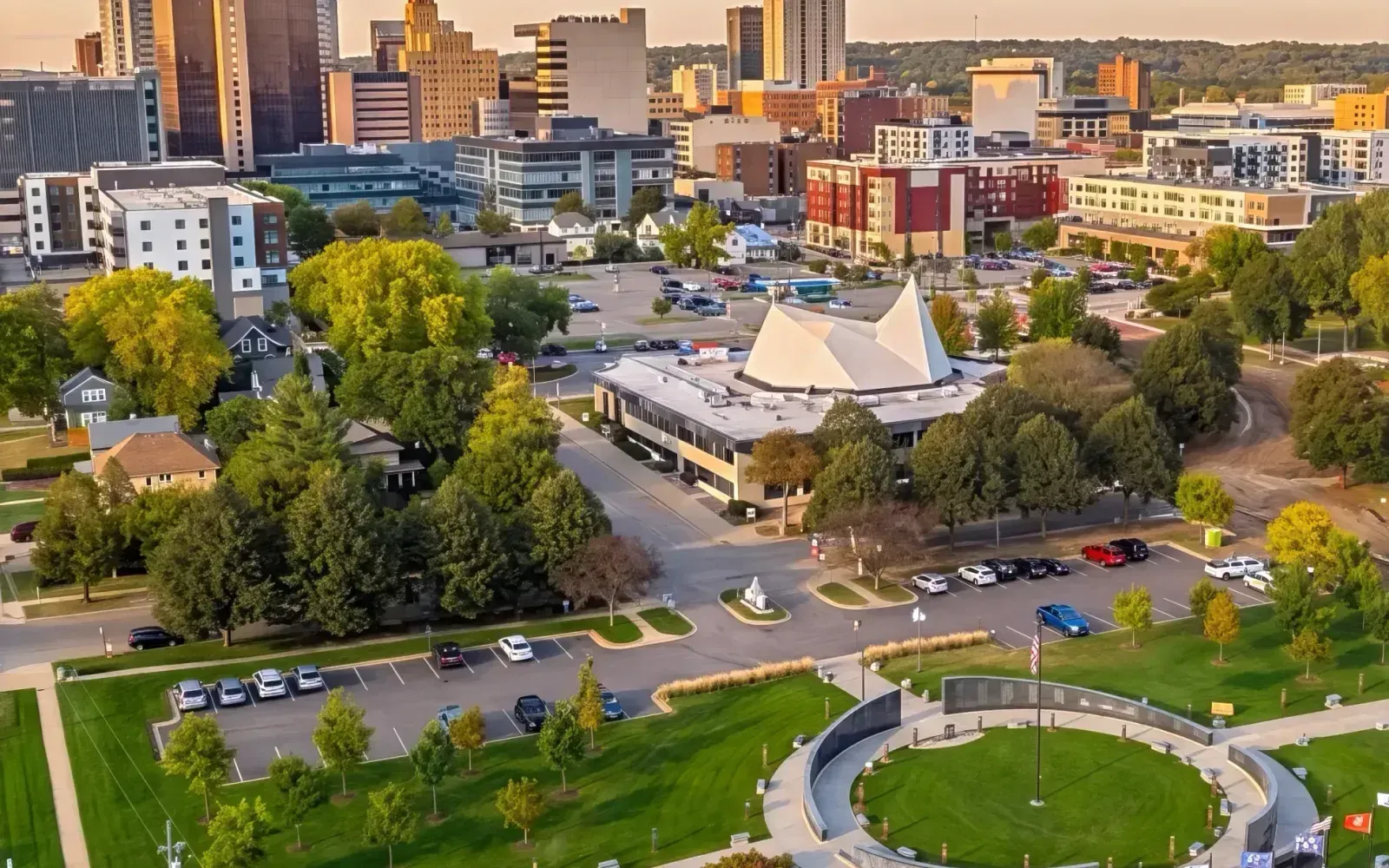
Slatterly Park
Most of the Slatterly Park calls we get come from a buyer in the middle of a home inspection with two weeks to closing and a radon number that came back higher than expected. We know the pace those conversations move at.
Find out your radon levels with a free radon test.
About 42% of tested Olmsted County homes come back above the EPA action level. The surrounding counties are higher. The first step is knowing where yours sits, and that is the part we do for free.