Radon Mitigation in Byron, MN
Radon testing and mitigation in Byron.
Byron has roughly doubled in size since 2000, and most of the housing here is younger than the kids in it. For a lot of homeowners in town, the radon question is something they're thinking about for the first time, often after a coworker brought it up or a neighbor mentioned a test.
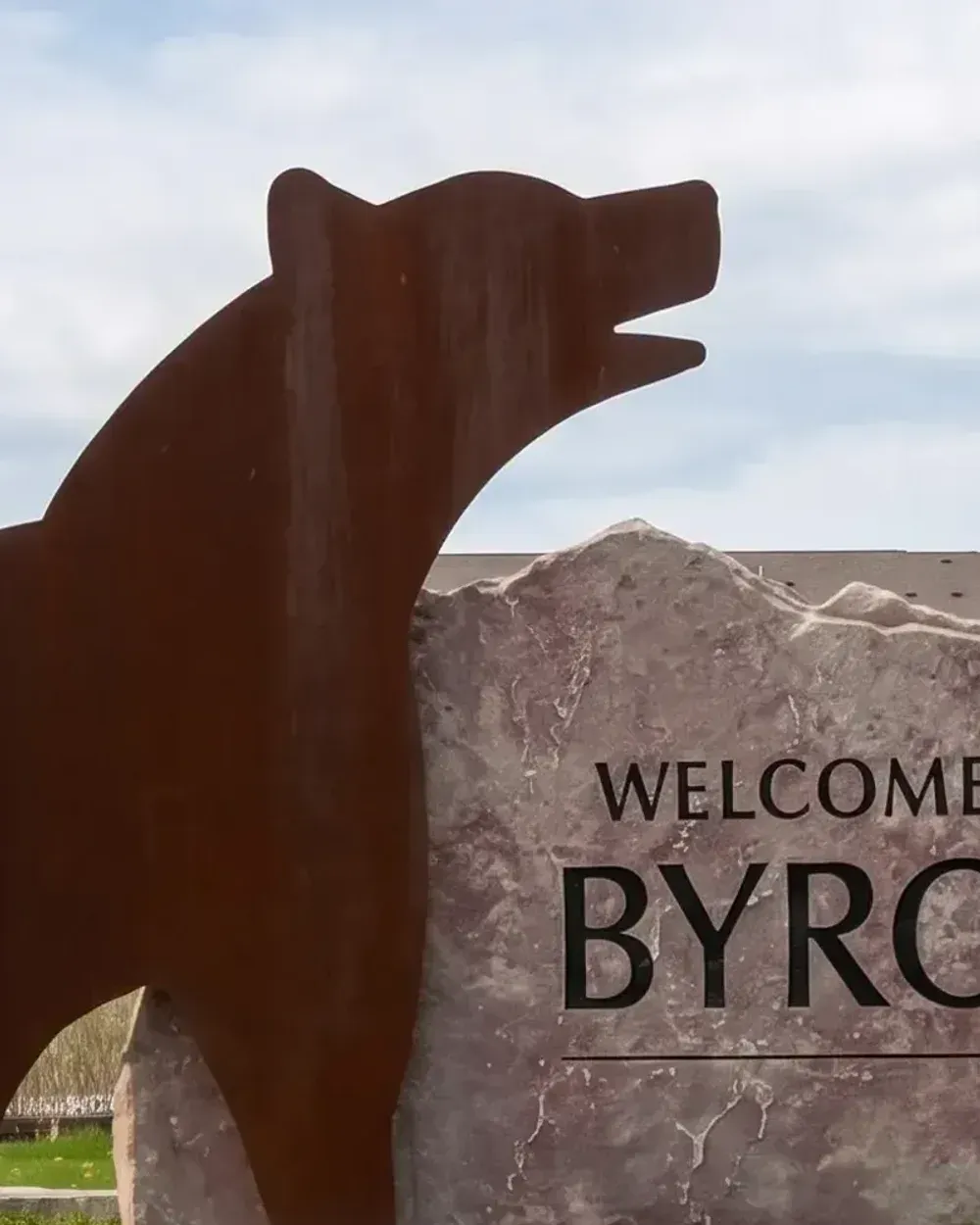
A young town on familiar ground
Byron's population was around 3,500 in 2000 and is over 7,000 now. That growth shows up in the housing. Most of the homes in town went up in the last twenty-five years, on lots that were farmland or open ground before that. The subdivisions on the south and east sides of town look a lot like the post-2000 builds you see in Bamber Valley or Manor Woods over in Rochester.
Central Byron has a small core of older homes, mostly mid-century, that have a different look and feel than the newer subdivisions. The geology under both halves of town is the same. The EPA maps Olmsted County as a Zone 1 county, which is the highest-risk tier for indoor radon, and Byron sits in the middle of it.
Because so many of the homes here are recent builds, a lot of them have the passive radon system that's been required in Minnesota since June of 2009. That's a head start, not a finished answer. Whether the system is doing its job is what testing is for.
Byron at a glance
Radon work for a fast-growing town where most of the housing is new, the income is high, and most owners are figuring out radon for the first time.
- Housing
- A growing community of roughly 7,000 people, with median household income above $120,000 and steady year-over-year construction. Most homes are post-2000 builds with full or walkout basements.
- Geology
- The same limestone bedrock that runs under Rochester. The EPA puts Olmsted County in its highest-risk zone for indoor radon.
- Median radon (Byron)
- 3.4 pCi/L , below the EPA action level 43 tests/yr avg, MDH 2014–2023
- Olmsted County ≥ 4 pCi/L
- 42.3% of tested homes Ranks #54 of 87 MN counties
- Distance from Rochester
- 10 miles west
- County
- Olmsted
- EPA radon zone
- Zone 1
What the radon numbers actually say in Byron
Across the testing the Minnesota Department of Health, Radon Testing public dataset has on file for Byron (2014–2023), the median home reads 3.4 pCi/L. That is below the EPA action level of 4 pCi/L. The geometric mean comes in at 3.1 pCi/L. That is a log-scale average that tends to track better when the distribution has a long upper tail, which radon distributions always do.
Zoom out to Olmsted County. 42.3% of tested homes in the county come back at or above 4 pCi/L. That ranks Olmsted County #54 of 87 Minnesota counties for the share of homes above the action level. A separate 68.3% of tested homes are at or above 2 pCi/L, which is the threshold the Minnesota Department of Health uses when it recommends action.
About 43 Byron homes get tested every year on average, drawing from a stock of roughly 2,040 housing units. The number above is not a forecast for your specific home. Radon varies house to house even on the same street. The number is a reasonable starting line for the conversation, not a prediction. See the full data set for the by-county and by-tract picture.
Three steps. On your timeline.
Measure your radon level.
We start with a measurement of what is actually in the air your family breathes. You see the result we see, and we walk through what it means in plain language.
You see the picture first.
Once you have the result, we talk through what your home is dealing with. No scripts, no pressure. You decide what to do next on your own timeline.
A conversation about your home.
If you want to take action, we look at the basement together and talk through what a plan for your foundation could look like. Every home is its own conversation.
Other towns we cover.
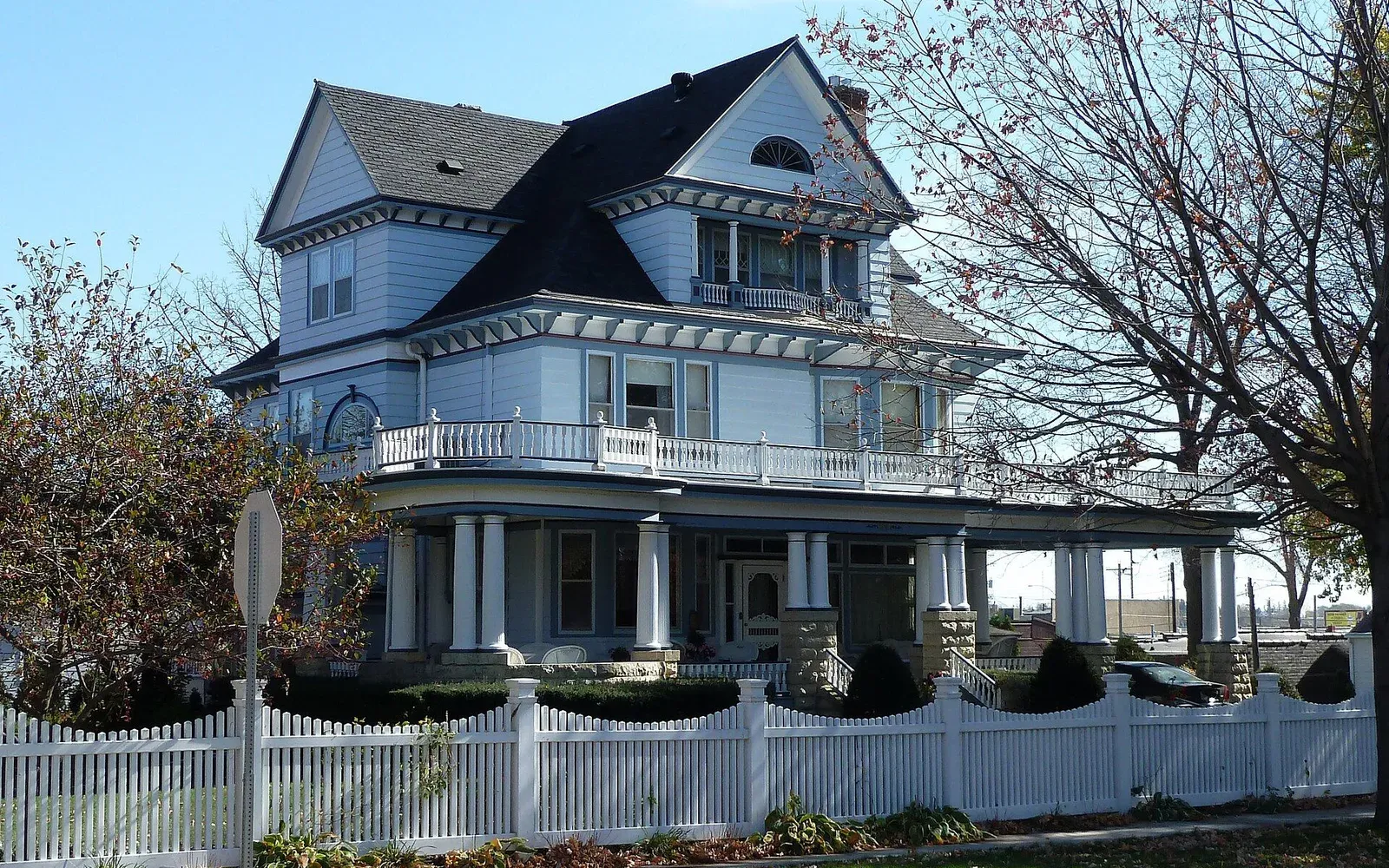
Kasson
Kasson sits across the county line from Olmsted, but the ground underneath is the same and the EPA puts Dodge County in the same Zone 1 radon tier. For a homeowner here, the radon question doesn't change because of which county the property tax goes to.
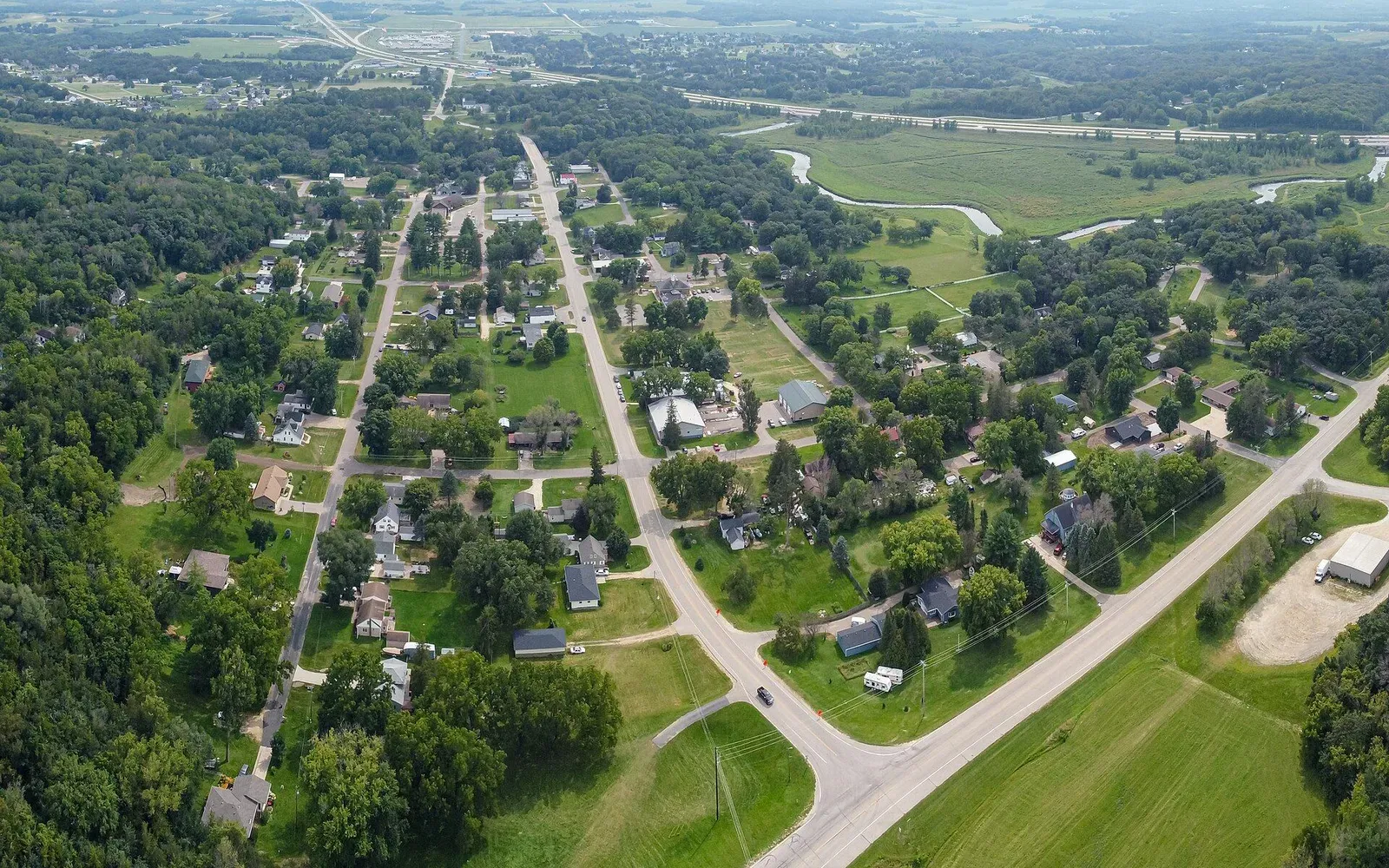
Oronoco
Oronoco wraps around Lake Zumbro, and a lot of the housing here is tied to the water in one way or another. Older lake cabins that got converted to year-round homes, newer builds on lots with a view of the river, and rural acreage homes outside the city limits. The basements vary as much as the homes do.
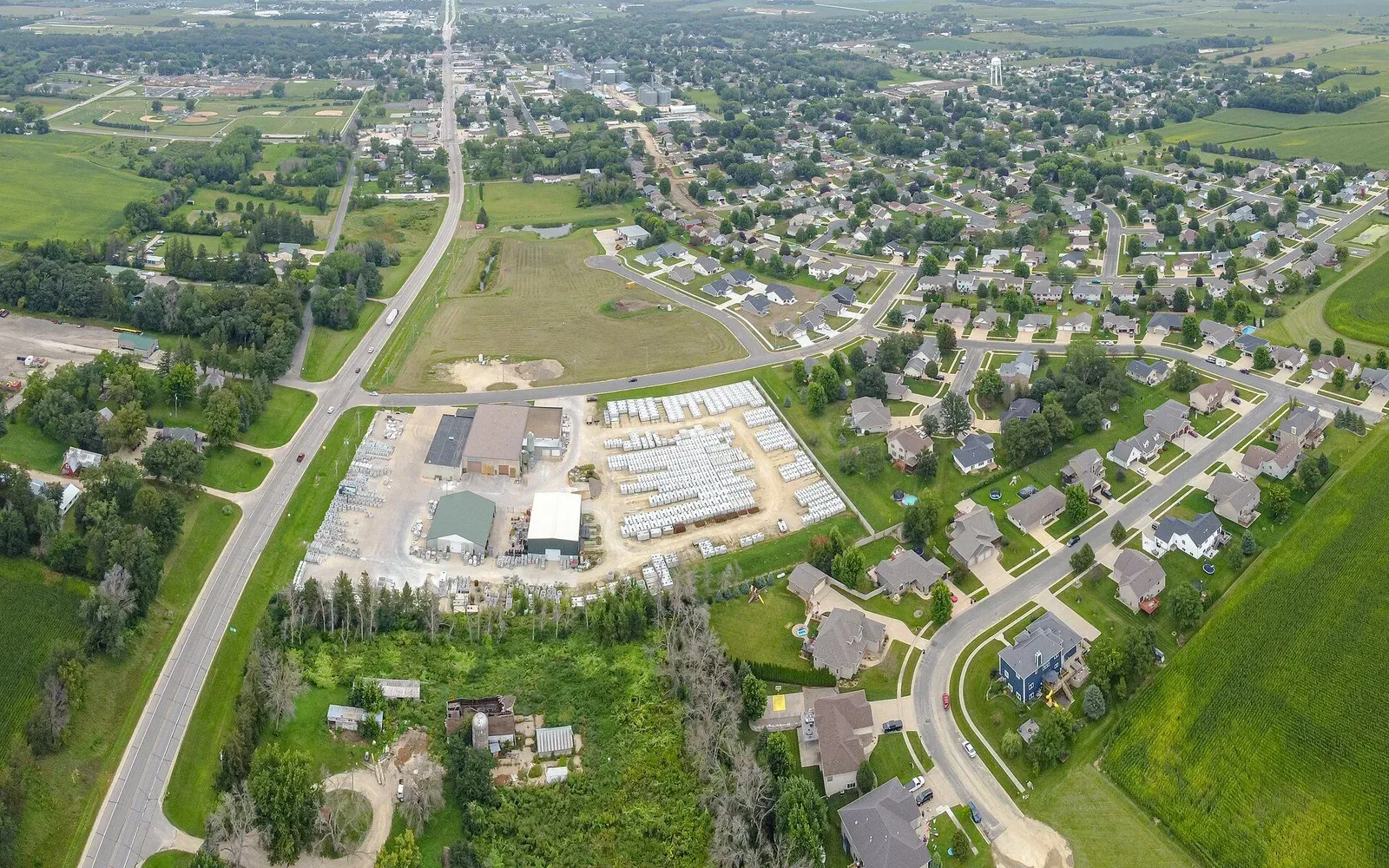
Stewartville
The median construction year for a Stewartville home is 1987, which means the housing here splits roughly in half between older central blocks and newer subdivisions on the edges. The radon question is the same one either way, but the basement it lives in looks very different.
Find out your radon levels with a free radon test.
About 42% of tested Olmsted County homes come back above the EPA action level. The surrounding counties are higher. The first step is knowing where yours sits, and that is the part we do for free.